
Sunscreen
What is Sun Cream?
Sun cream is a product that you apply to the skin to protect it from harmful UV rays from the sun. It acts as a barrier between the skin and the sun’s rays. Sun creams come with different SPF (sun protection factor) values, which indicate how well the product protects against UVB rays, helping to prevent premature aging, hyperpigmentation, and skin cancer.
Why Choose Korean Sun Cream?
Korean skincare has a strong focus on protecting the skin from harmful UV rays from the sun. Therefore, sun cream is an essential part of the skincare routine to maintain healthy, glowing skin. Korean sun creams often have higher SPF values compared to sun creams from other parts of the world, and they are often made with nourishing ingredients that hydrate the skin. Many of them also have a light texture, making them easy to absorb.
What is PA+?
The PA+ value stands for “Protection Grade of UVA,” a Japanese standard that measures UVA protection in sun creams. UVA rays can damage the skin, so it is important to ensure that the sun cream also protects against these rays. The PA+ value ranges from + to +++, where + indicates the lowest protection and +++ indicates the highest protection against UVA rays.
What Types of Sun Creams Are There?
Sun creams come in different types, including chemical, physical, and mineral-based sun creams:
- Chemical Sun Creams: Contain ingredients such as oxybenzone, avobenzone, and octisalate. These sun creams penetrate the upper layers of the skin. They should be applied 20-30 minutes before sun exposure to provide the best protection.
- Physical Sun Creams: Contain ingredients such as titanium dioxide and zinc oxide, which sit on the skin’s surface and reflect UV rays away. These should be applied directly after a shower or wash for optimal protection.
- Mineral-Based Sun Creams: Typically made from natural ingredients such as titanium dioxide and zinc oxide, these are a good choice for people with sensitive skin.
How Much Sun Cream Should You Use?
It is recommended to use one teaspoon of sun cream for the face and neck, and a full handful for the entire body. It is important to reapply sun cream frequently, especially when spending extended periods in the sun. Furthermore, sun cream should be applied daily, even when it’s cloudy, to protect the skin. Reapply every 2-3 hours or after swimming or sweating. Also, remember to apply sun cream to all exposed areas of the body, including the face, neck, arms, and legs.
Why Your Sun Cream “Peels”:
There are several reasons why your sun cream may crack or “peel” after application. The most common causes are:
- Your skin is too dry, and the sun cream cannot absorb properly. This can happen if the skin hasn’t been exfoliated or moisturized well enough before applying the sun cream.
- Your sun cream is too old or has been stored in poor conditions, which may have reduced its effectiveness and caused it to crack.
- Your skin is too damp, so the sun cream cannot penetrate the skin and sits on the surface instead.
How to Find the Right Sun Cream for Your Skin Type:
To find the right sun cream for your skin type, consider the following factors:
- Skin Type: Consider whether your skin is normal, dry, oily, or combination to ensure the best absorption and protection. If you have oily skin, you may not need a moisturizer before applying sun cream. If your sun cream is hydrating, you may not need a moisturizer regardless of your skin type.
- SPF and PA+ Value: Make sure to choose a sun cream with a high SPF and PA+ value for the best protection against both UVB and UVA rays.
- Allergens and Ingredients: Carefully read the ingredient list to ensure the sun cream doesn’t contain ingredients you’re allergic to or that could irritate your skin.
- Patch Test: It’s always a good idea to test a small amount of sun cream on a small part of your skin before applying it to your whole body to make sure you’re not allergic.
- Consistency and Texture: Choose a sun cream with a texture that suits your skin type and personal preference. People with dry skin may benefit from sun creams with a richer texture, while those with oily or combination skin may prefer a sun cream with a lighter texture.
- Usage Purpose: Consider what purpose you’ll use the sun cream for. If it’s for daily protection, or for sports or water activities, choose a sun cream formulated to resist sweat and water, and one with a higher SPF and PA+ value.
Popular Right Now
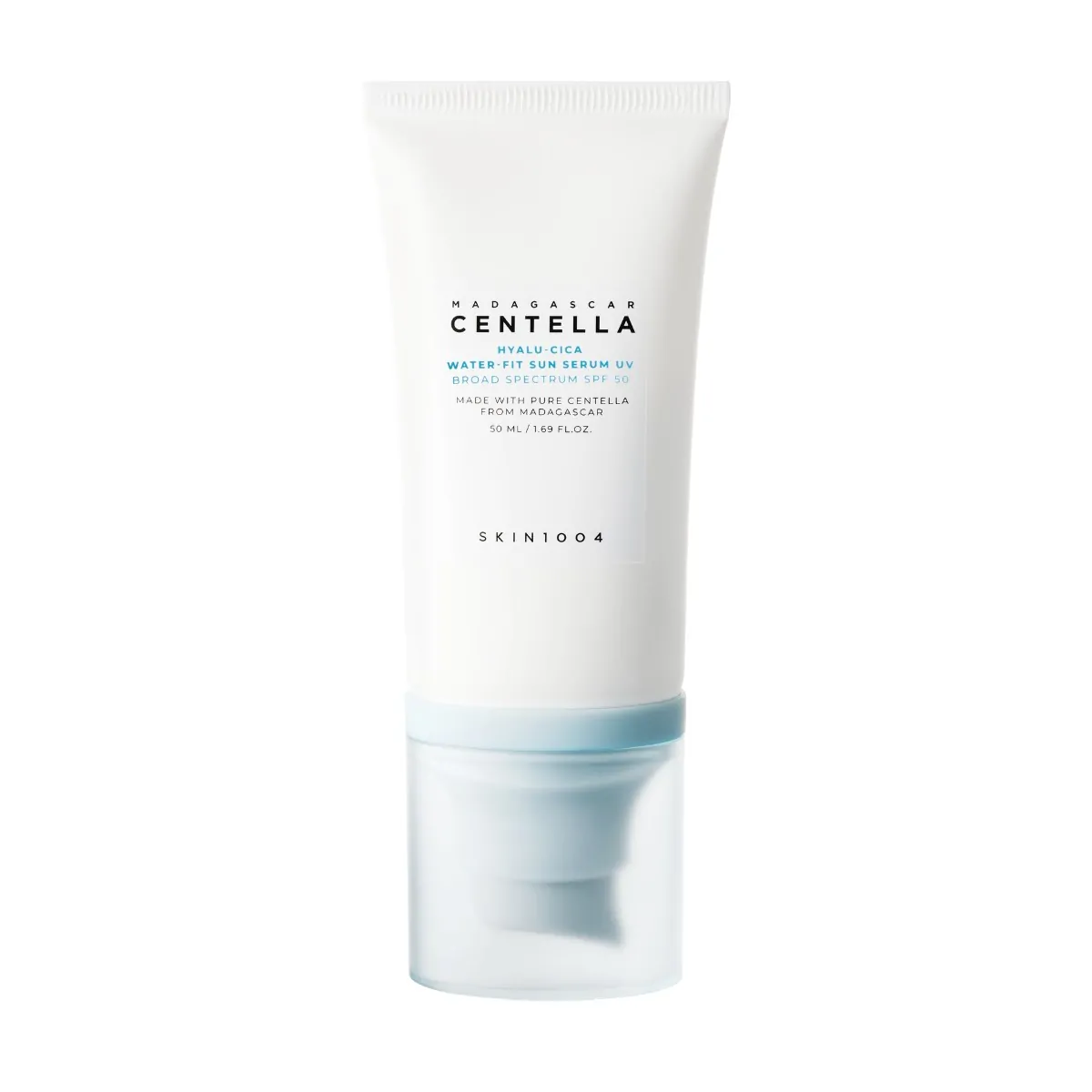
SKIN1004 – Hyalu-Cica Water-Fit Sun Serum SPF50 PA++++ 50 ml
27,99 €instock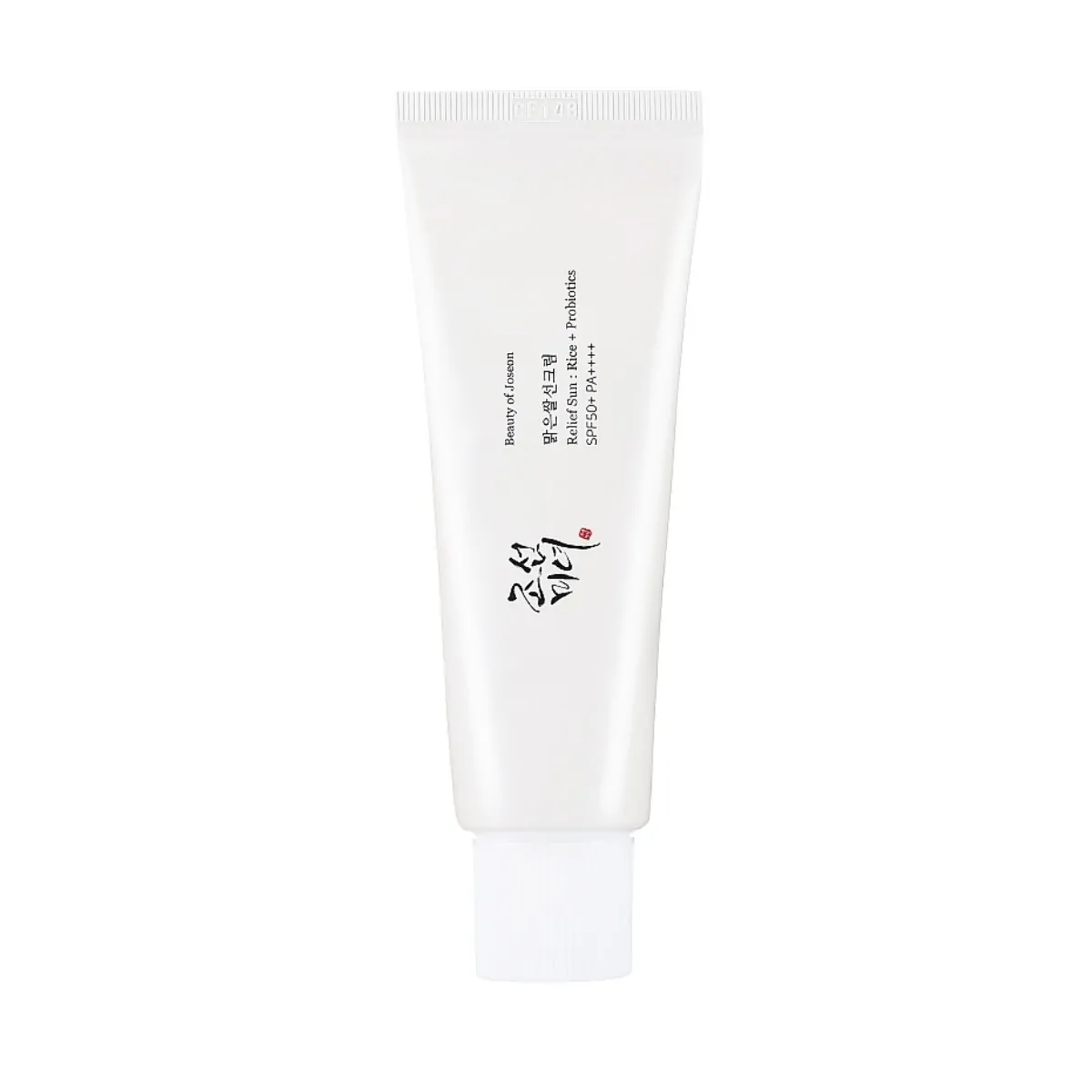
Beauty of Joseon – Relief Sun: Rice + Probiotics SPF50+ PA++++ 50 ml
Original price was: 19,99 €.13,99 €Current price is: 13,99 €.instock-30%
Numbuzin – No.1 Clear Filter Sun Essence 50 ml
Original price was: 30,99 €.17,99 €Current price is: 17,99 €.instock-42%
Beauty Of Joseon – Relief Sun Aqua-Fresh : Rice + B5 SPF50+ PA++++ 50 ml
Original price was: 20,99 €.14,69 €Current price is: 14,69 €.instock-30%
SKIN1004 – Hyalu-Cica Water-Fit Sun Serum SPF 50+ PA++++ Twin Pack 2 x 50ml
Original price was: 39,99 €.26,99 €Current price is: 26,99 €.instock-33%
Round Lab – Birch Juice Moisturizing Tone Up Sunscreen SPF50+ PA++++ 50 ml
Original price was: 24,99 €.17,49 €Current price is: 17,49 €.instock-30%
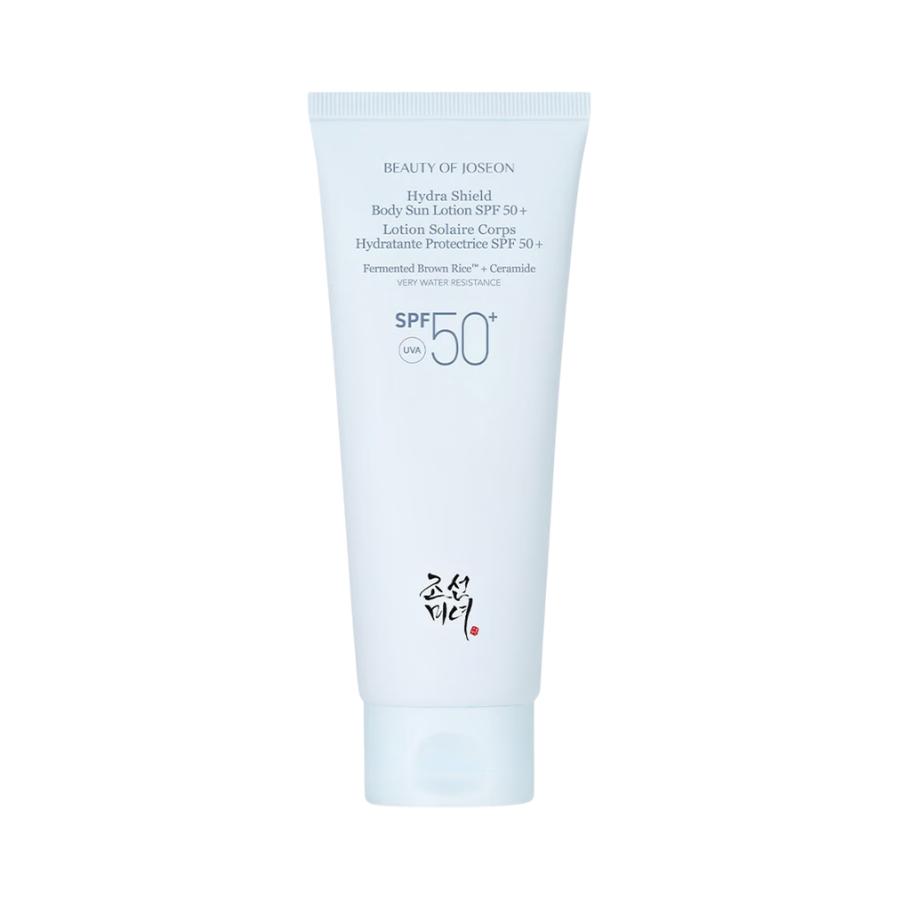
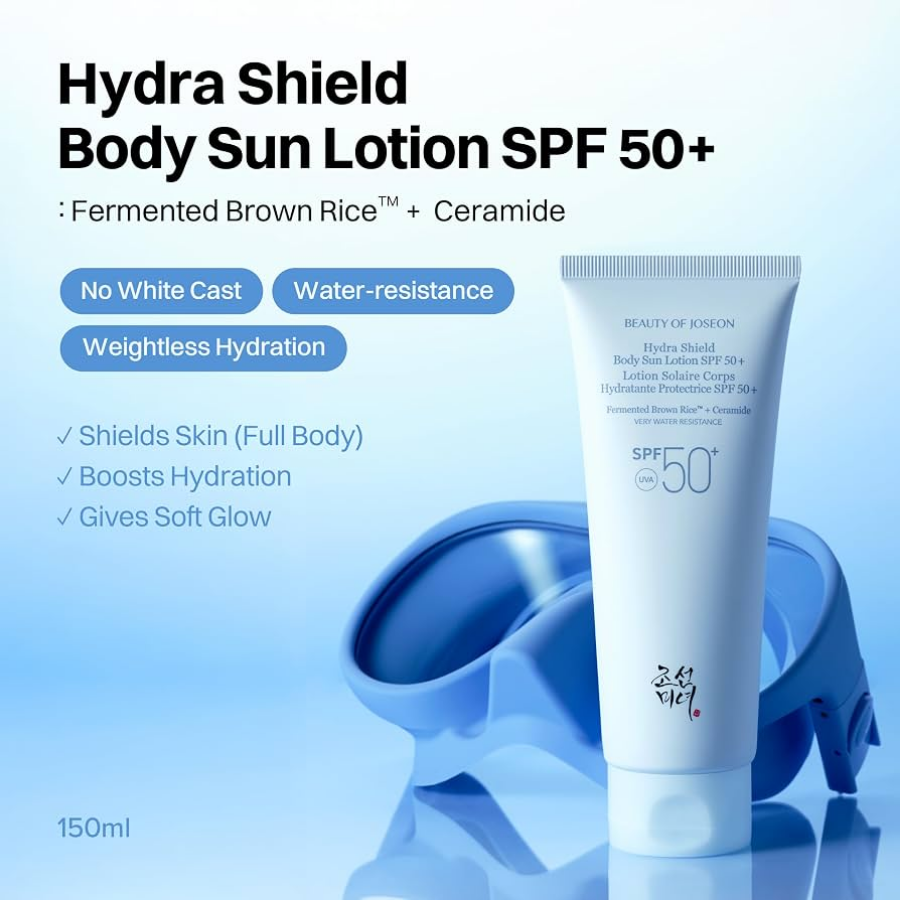
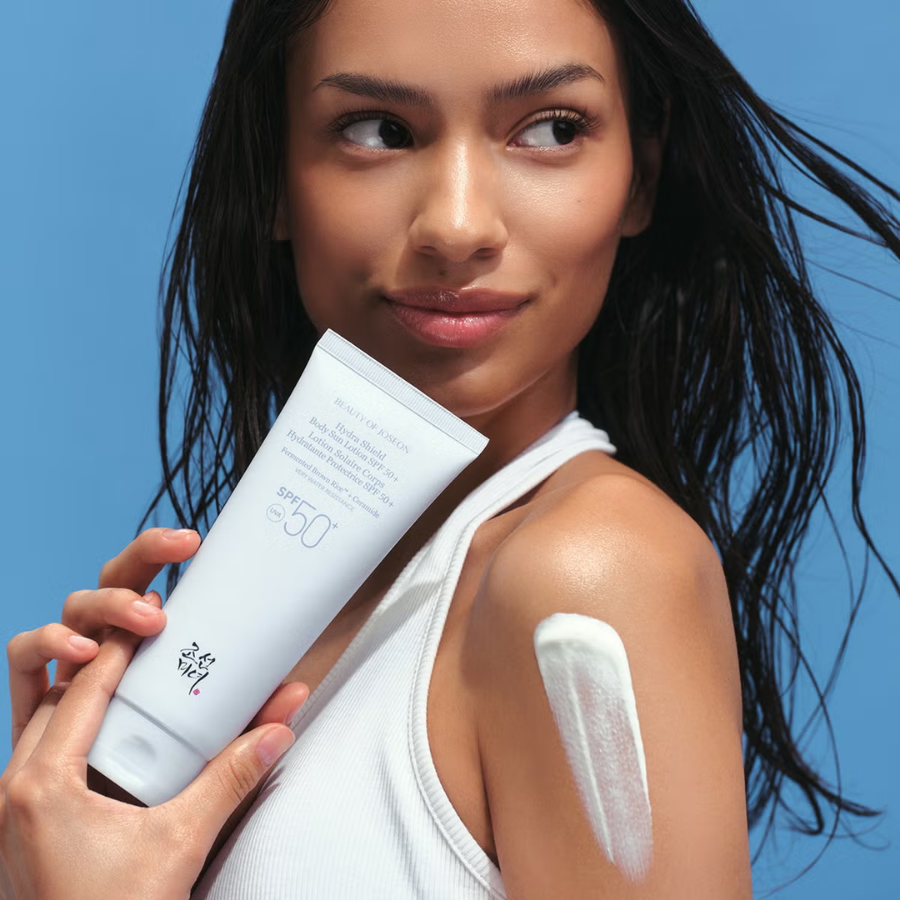
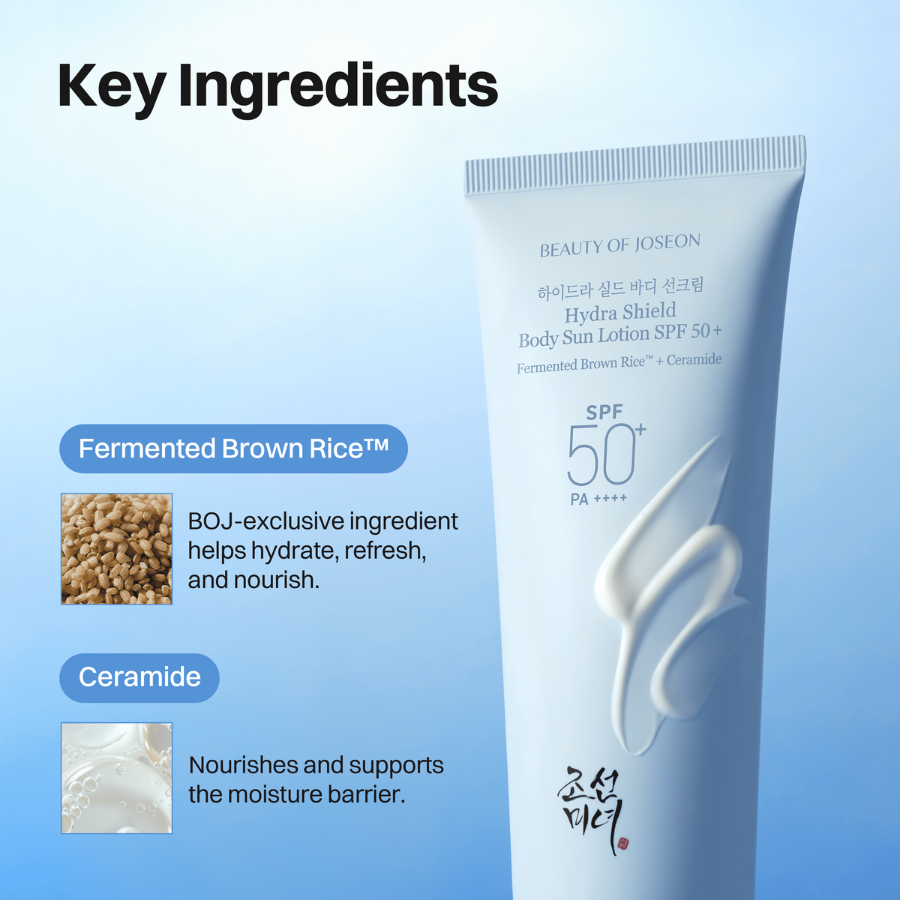

Beauty of Joseon – Hydra Shield Body Sun Lotion SPF50 150 ml
Original price was: 24,99 €.17,49 €Current price is: 17,49 €.
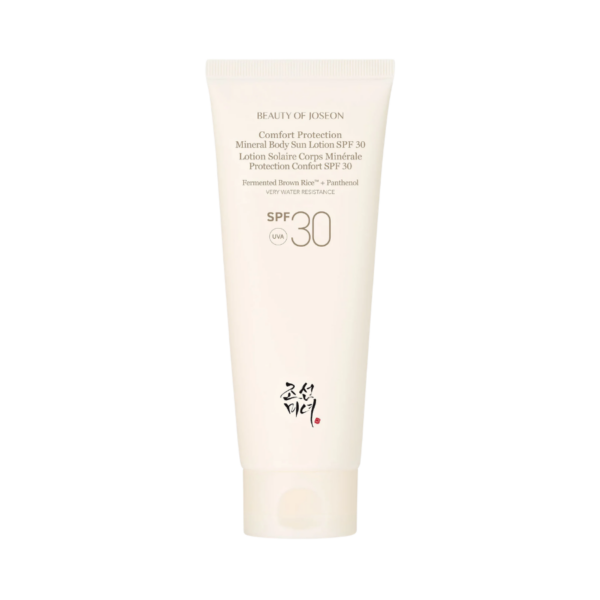


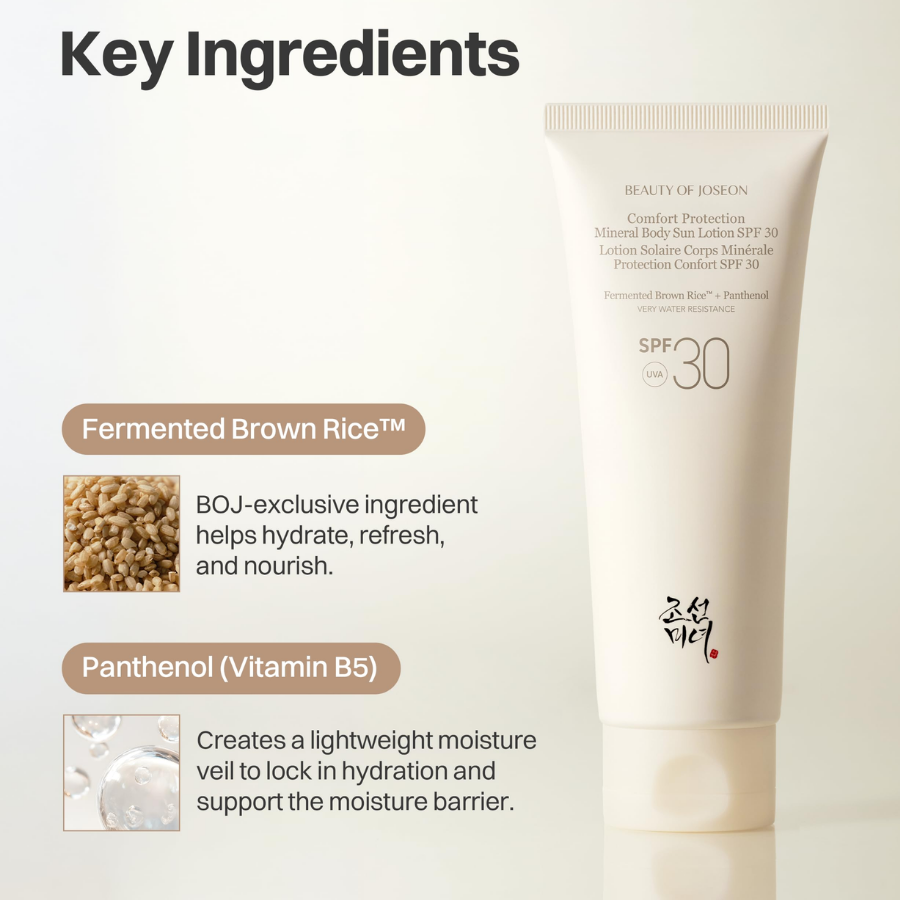
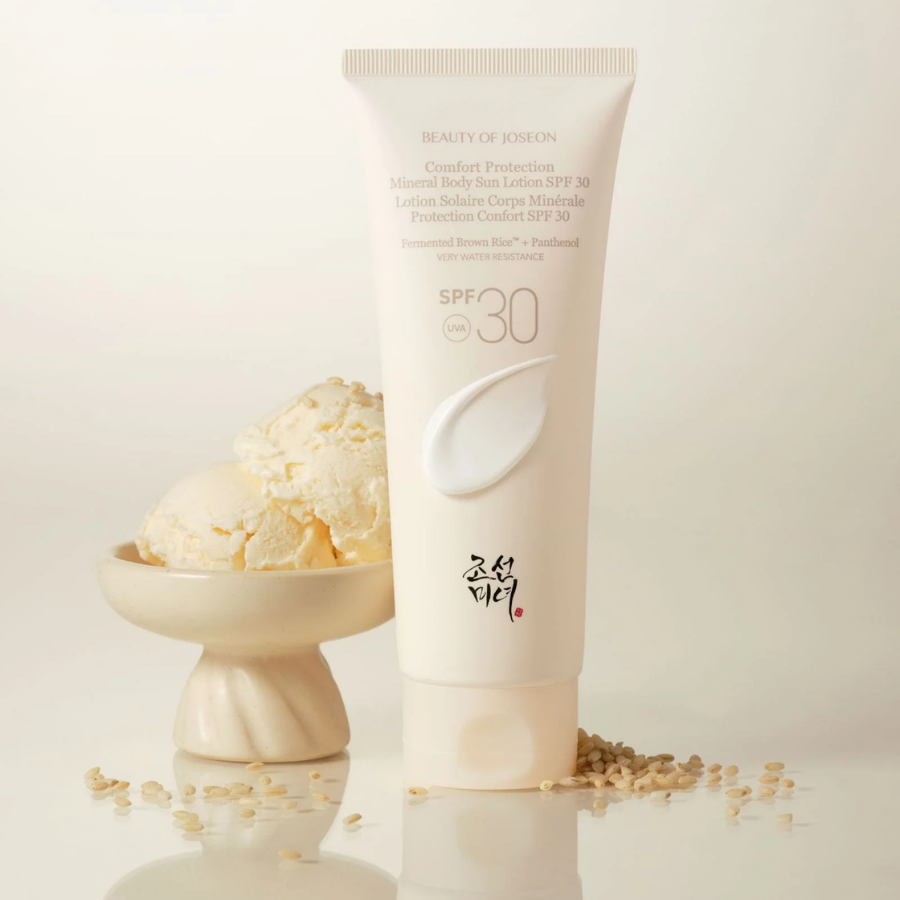
Beauty of Joseon – Comfort Protection Mineral Body Sun Lotion SPF30 150 ml
Original price was: 24,99 €.17,49 €Current price is: 17,49 €.
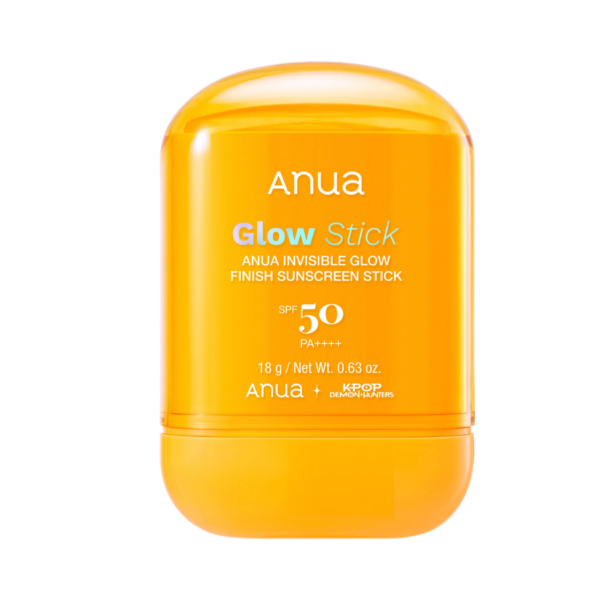
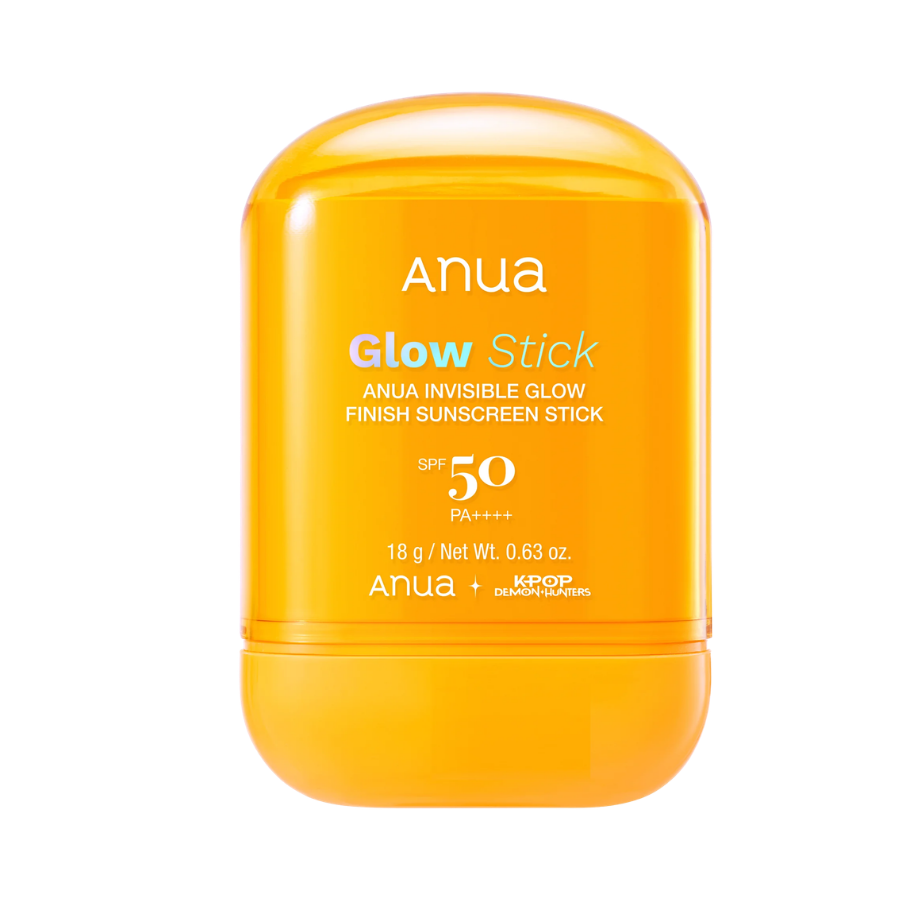


Anua – Invisible Glow Finish Sunscreen Stick 18 g
Original price was: 25,99 €.18,19 €Current price is: 18,19 €.
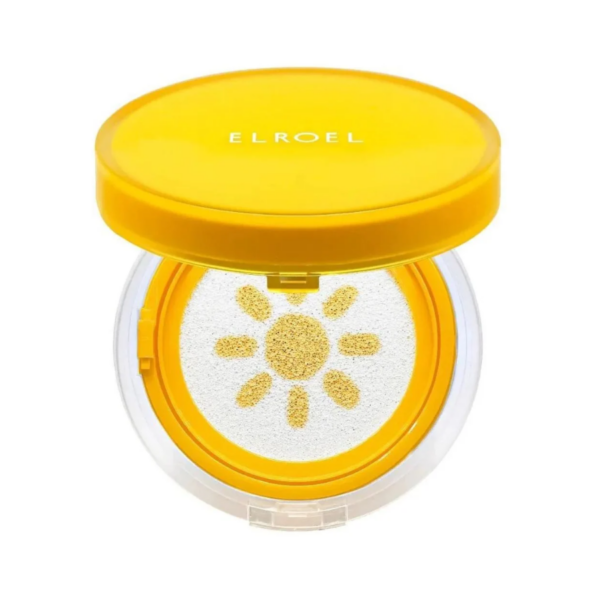

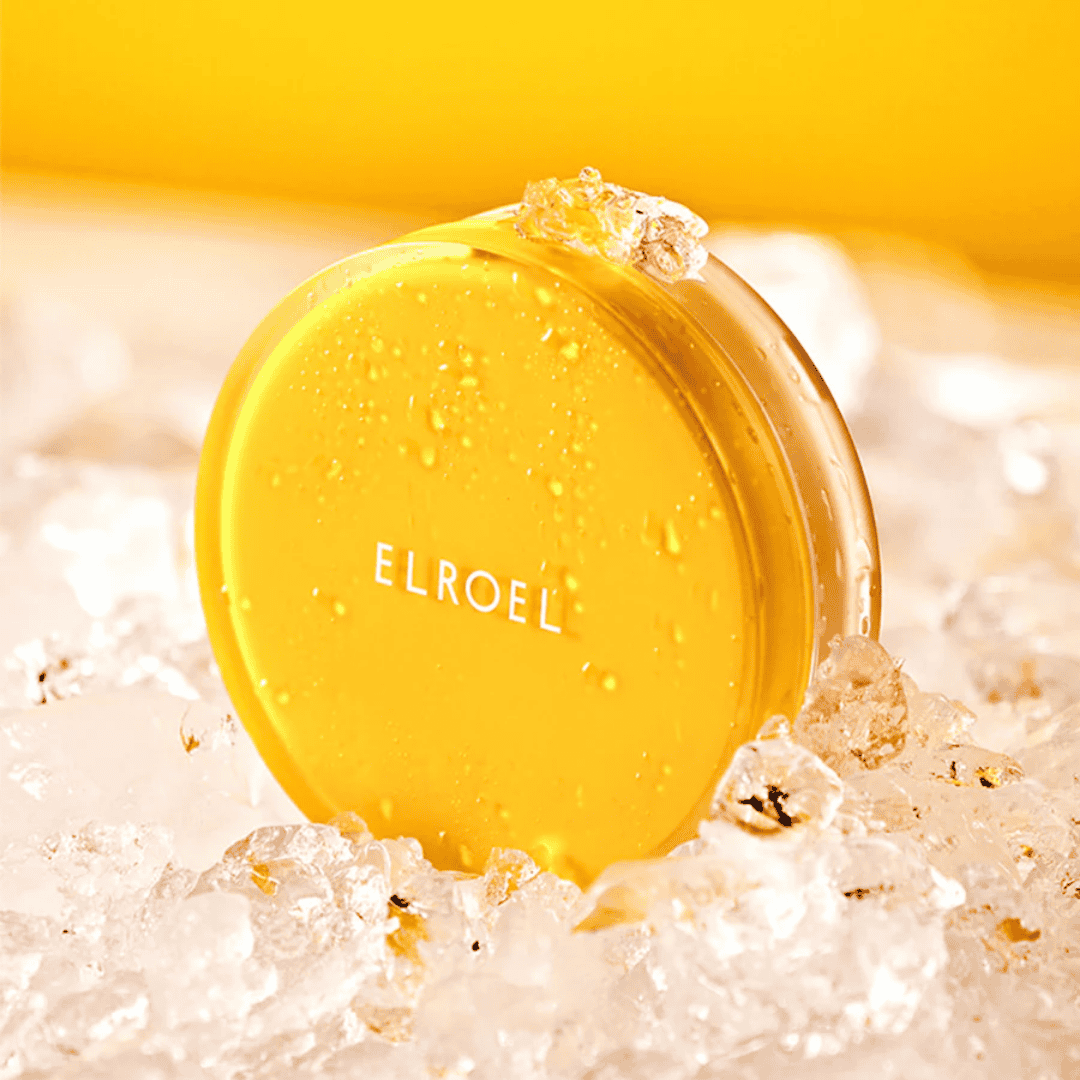


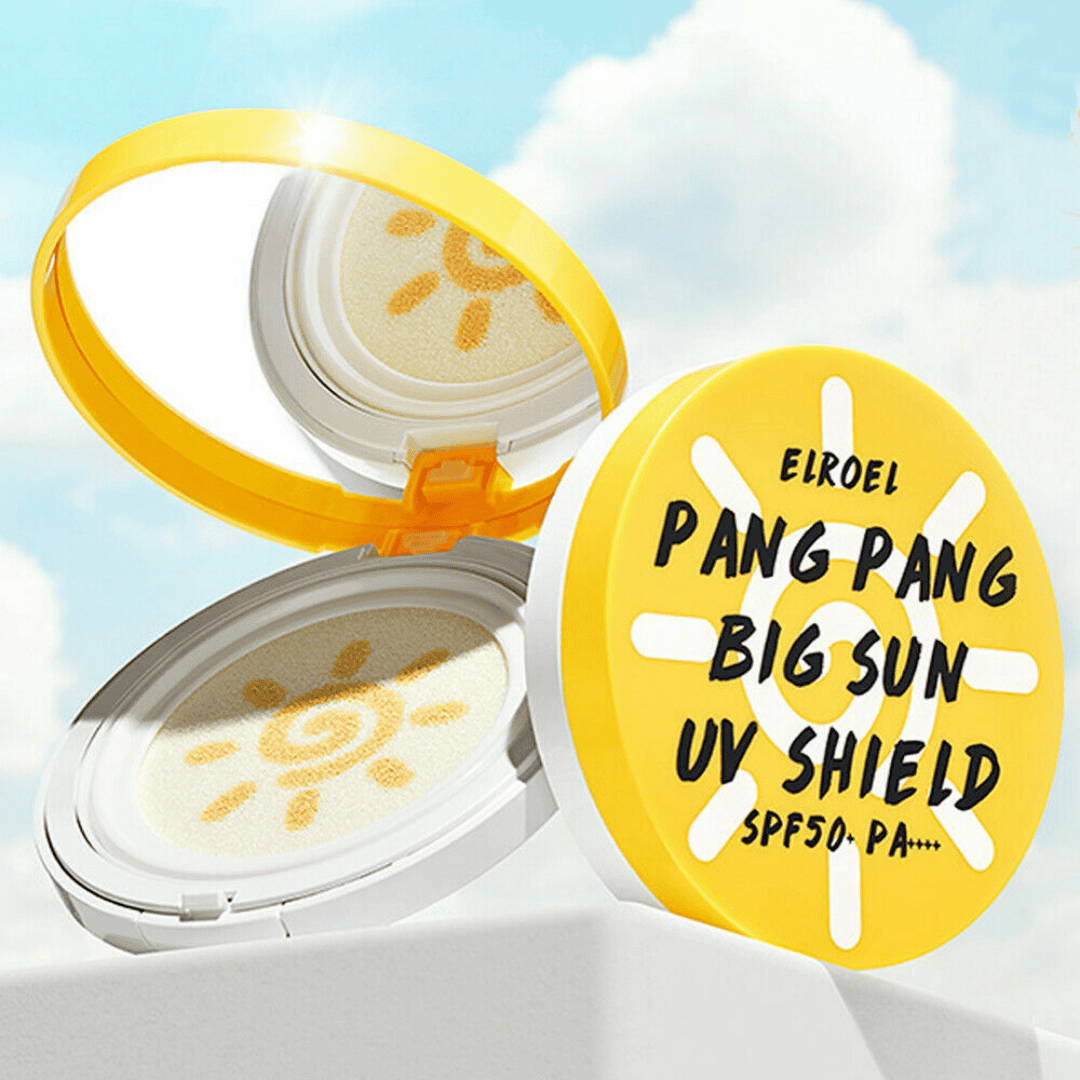
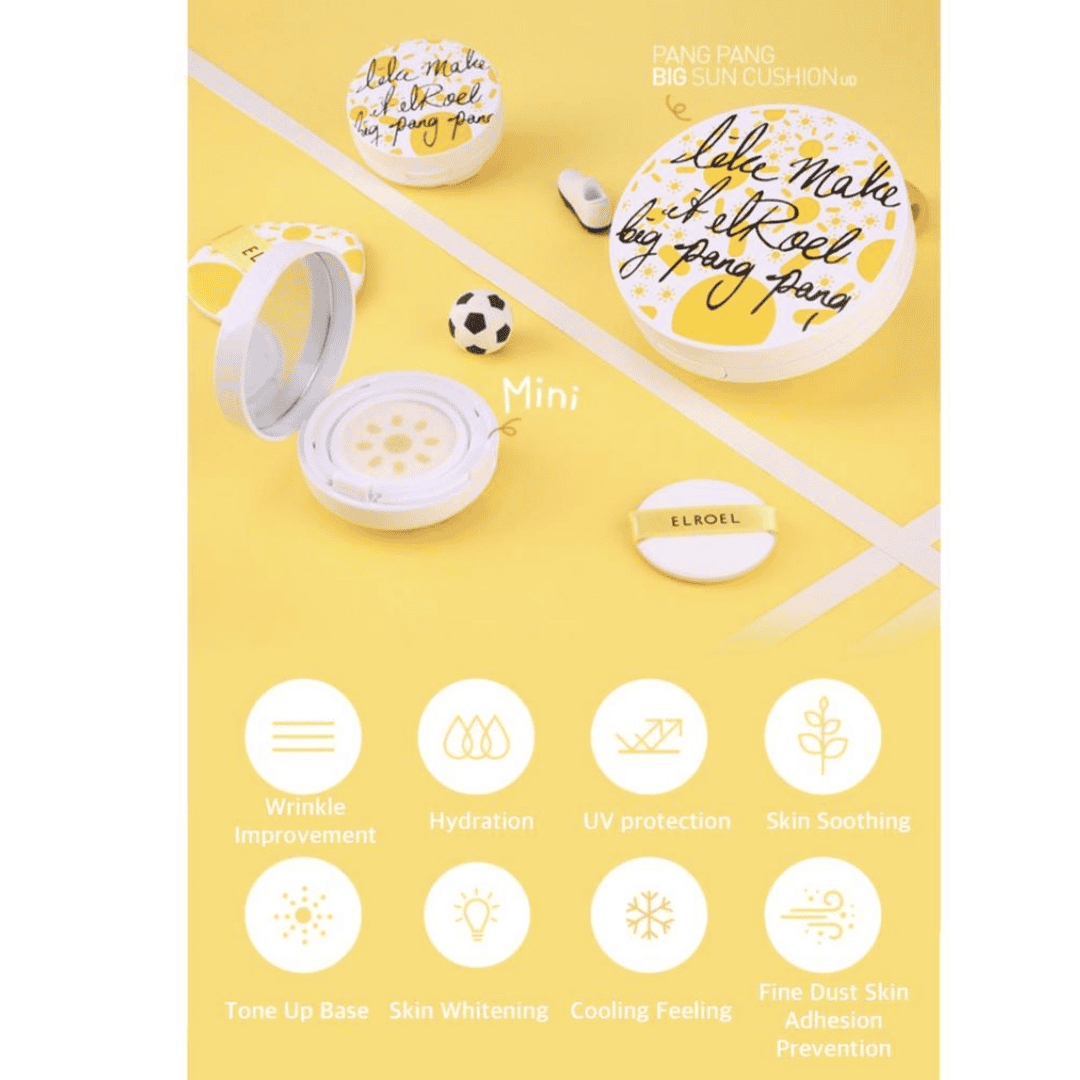
Elroel – Pang Pang Sun Cushion Plus 8 g
Original price was: 16,99 €.11,89 €Current price is: 11,89 €.
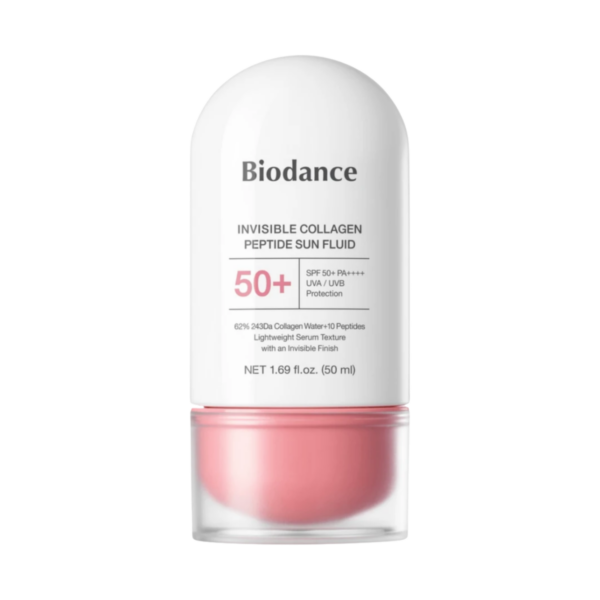
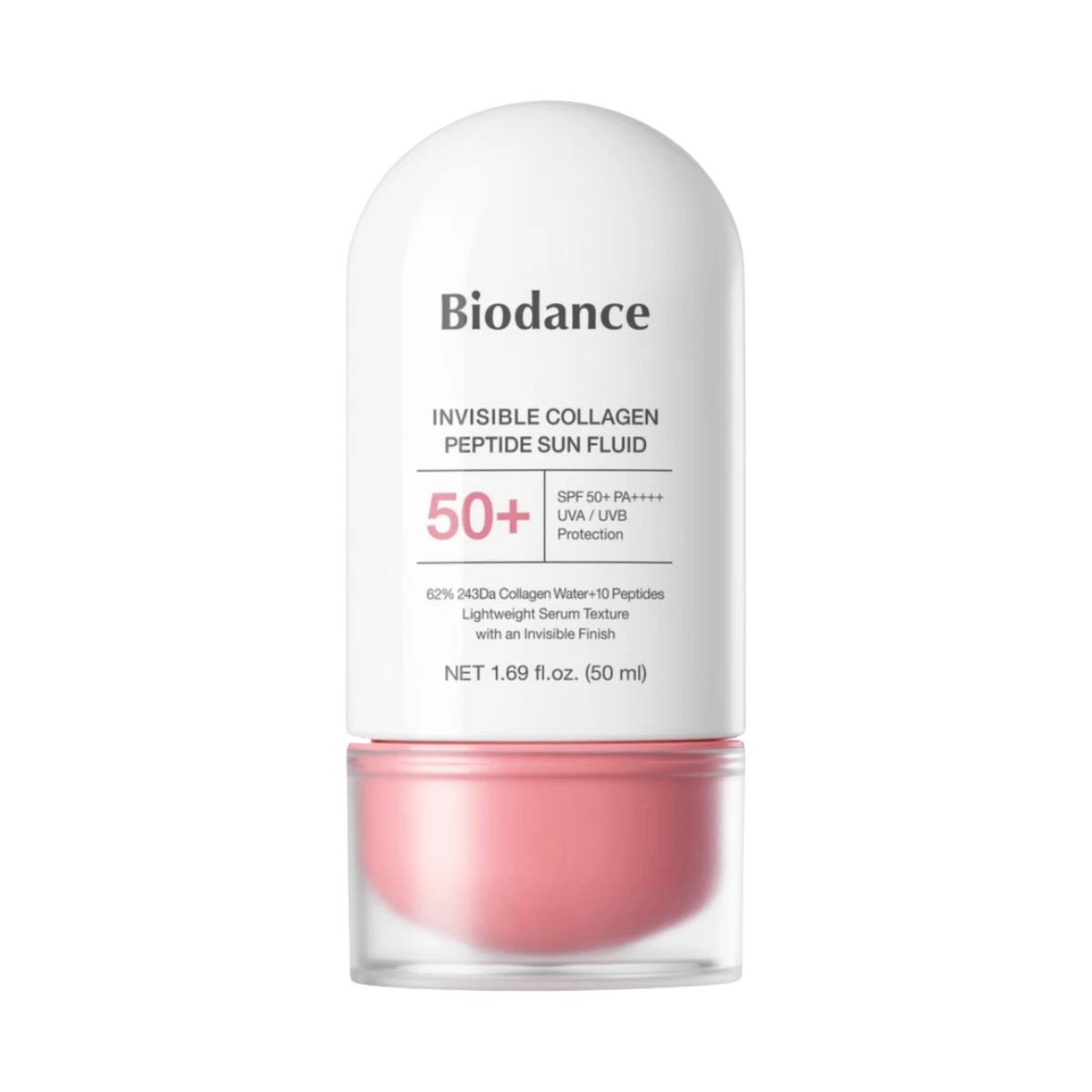
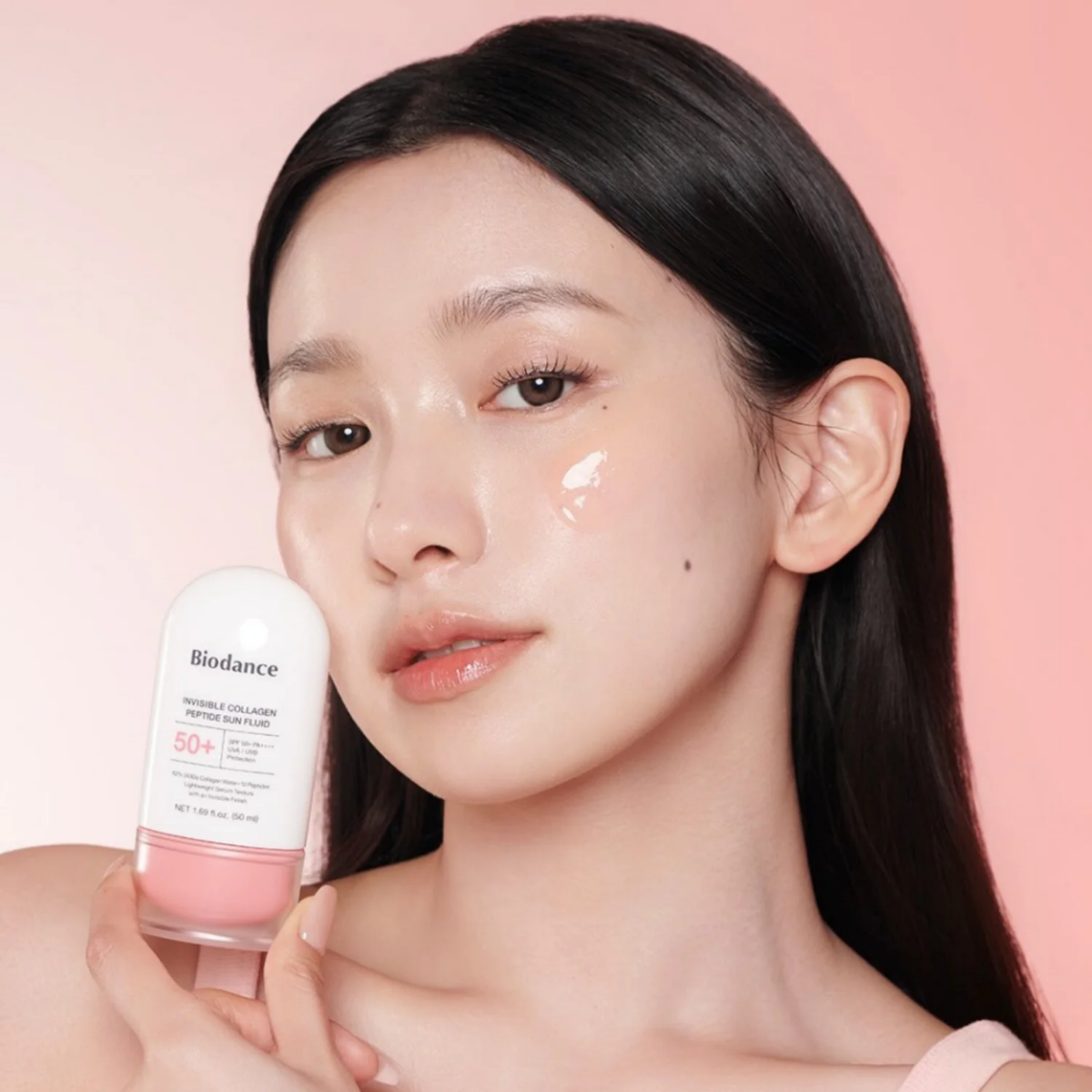
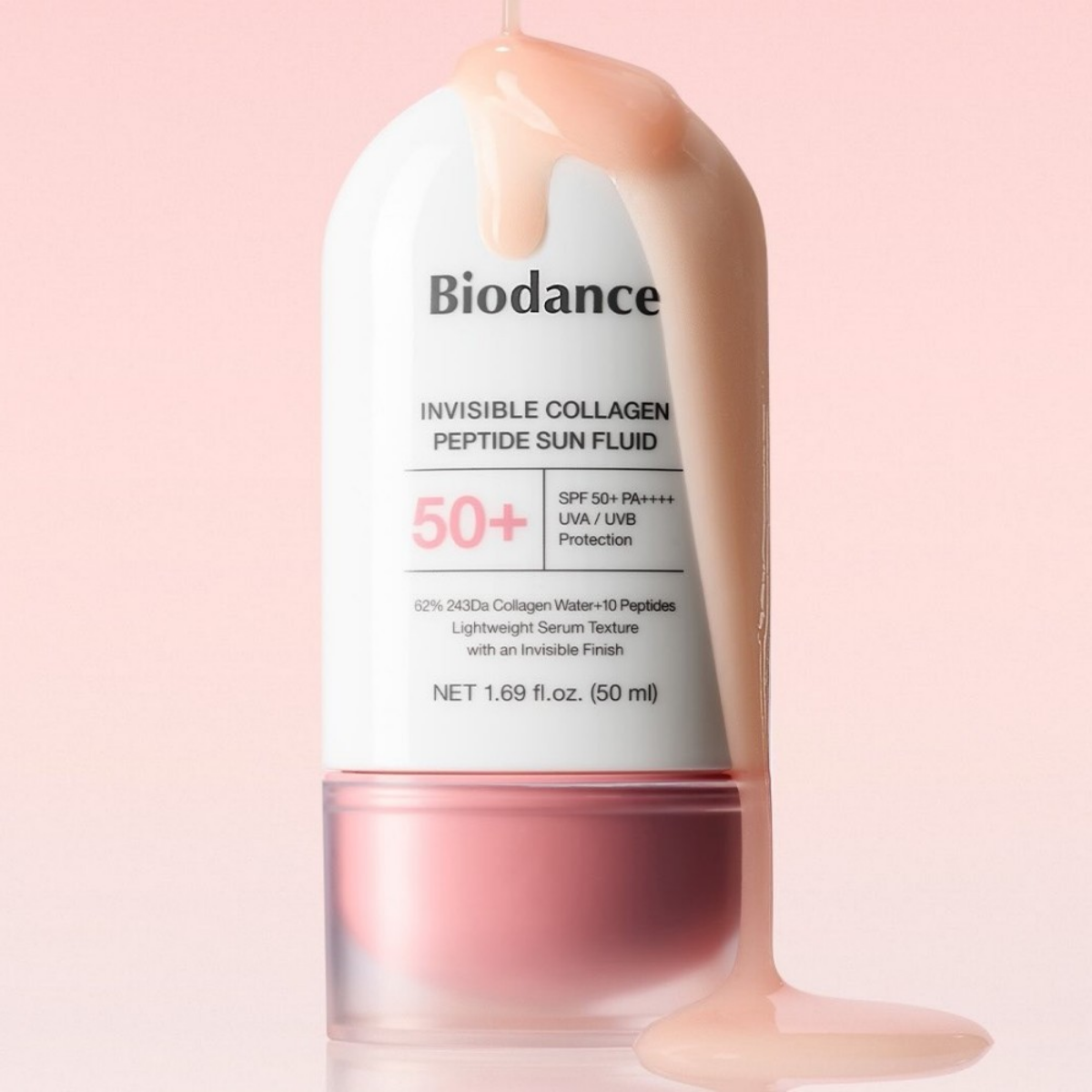
Biodance – Invisible Collagen Peptide Sun Fluid 50 ml
Original price was: 25,99 €.18,19 €Current price is: 18,19 €.
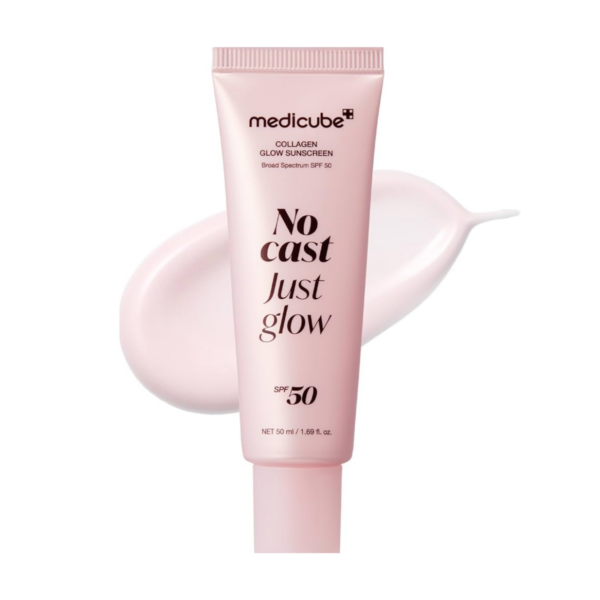

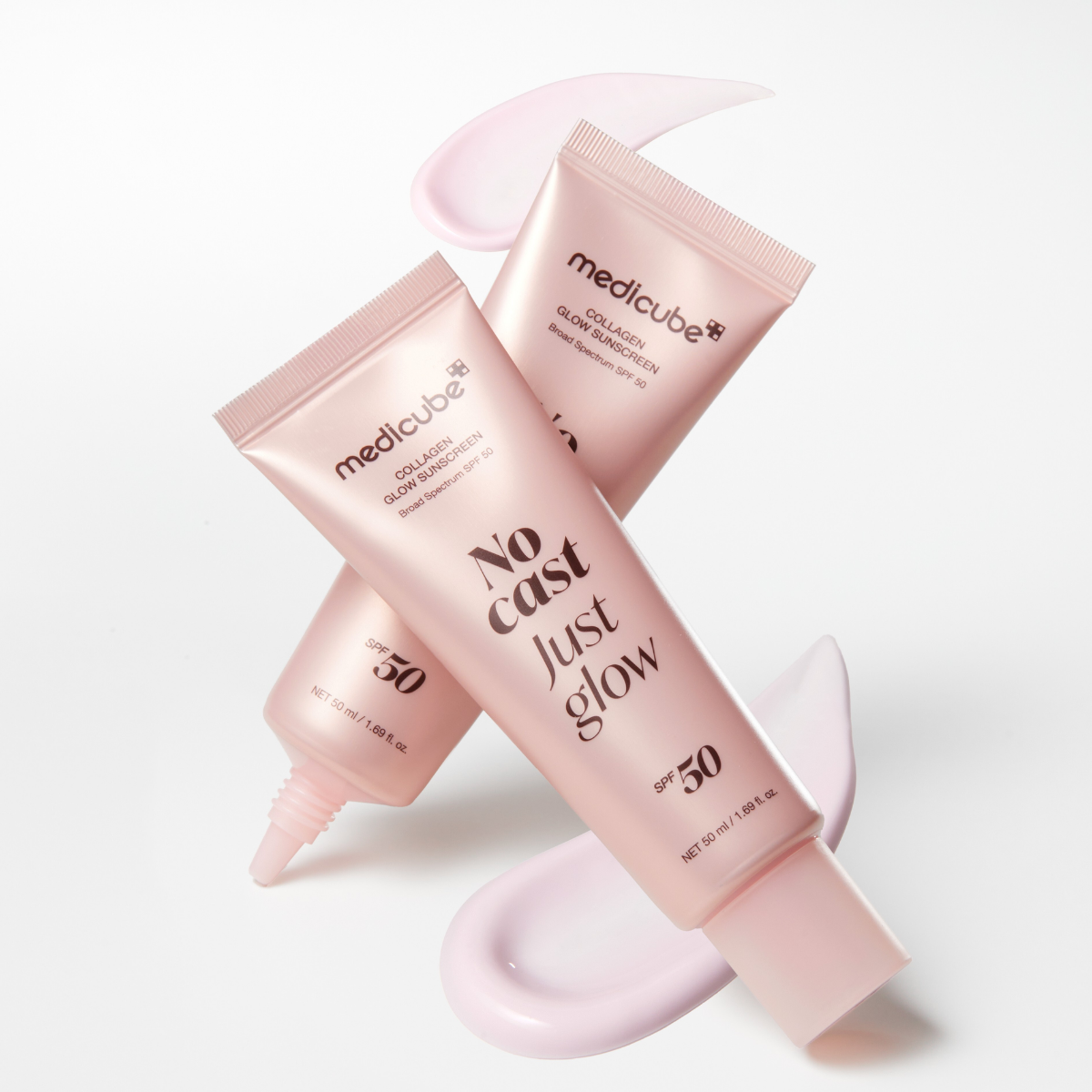
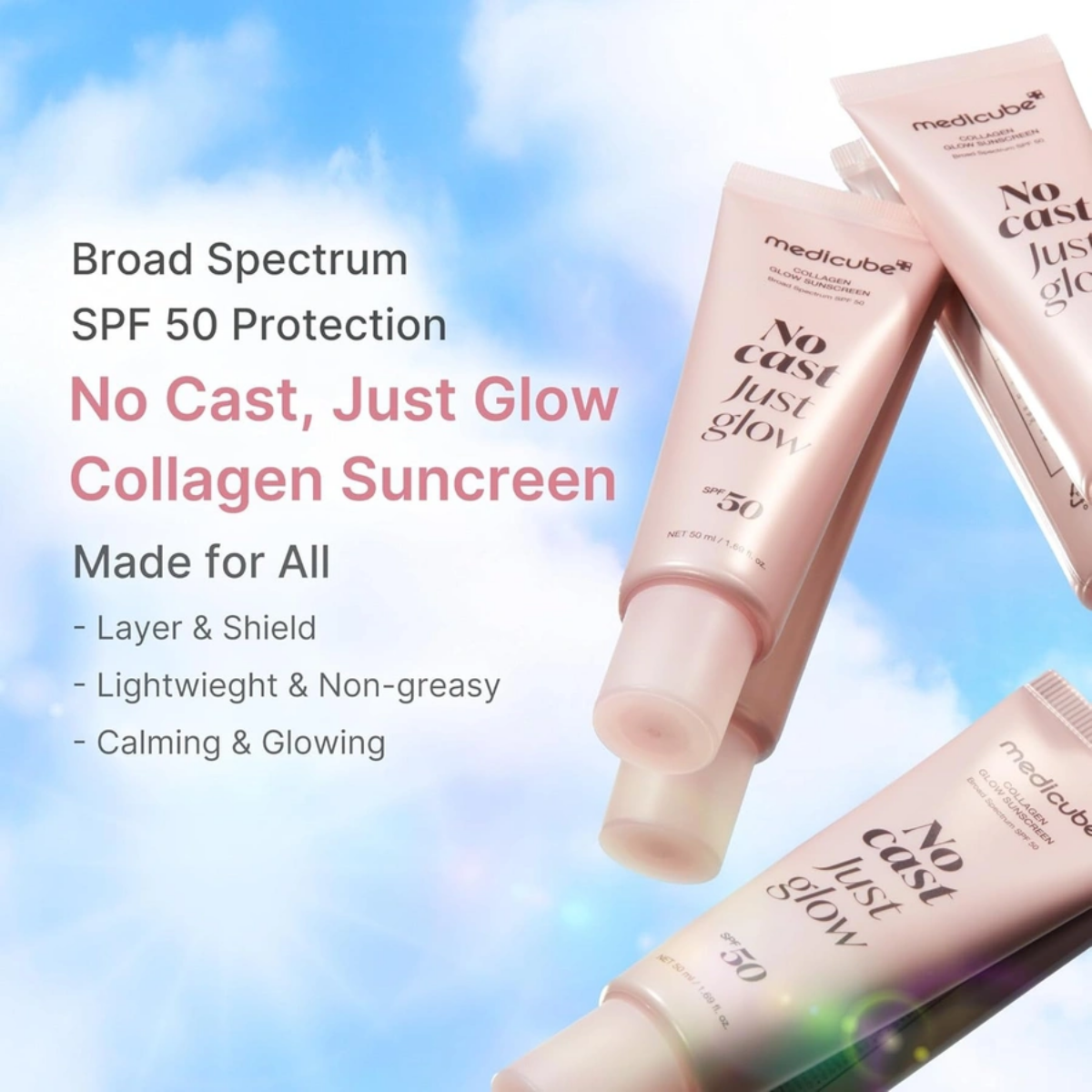


Medicube – Collagen Glow Sunscreen 50 ml
Original price was: 25,99 €.20,79 €Current price is: 20,79 €.
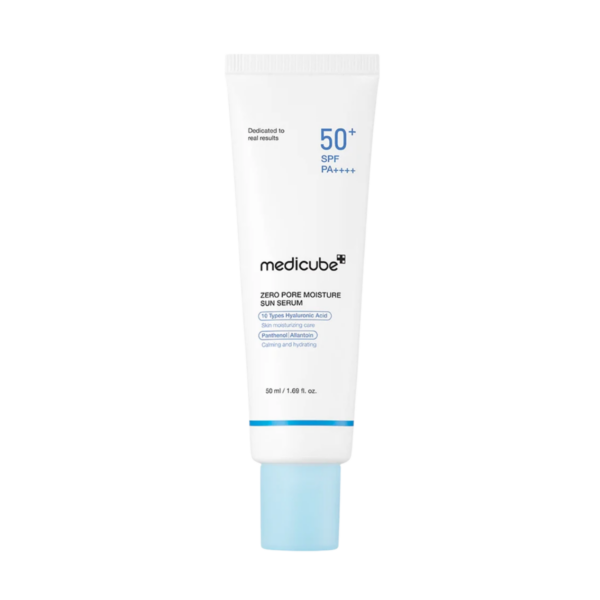
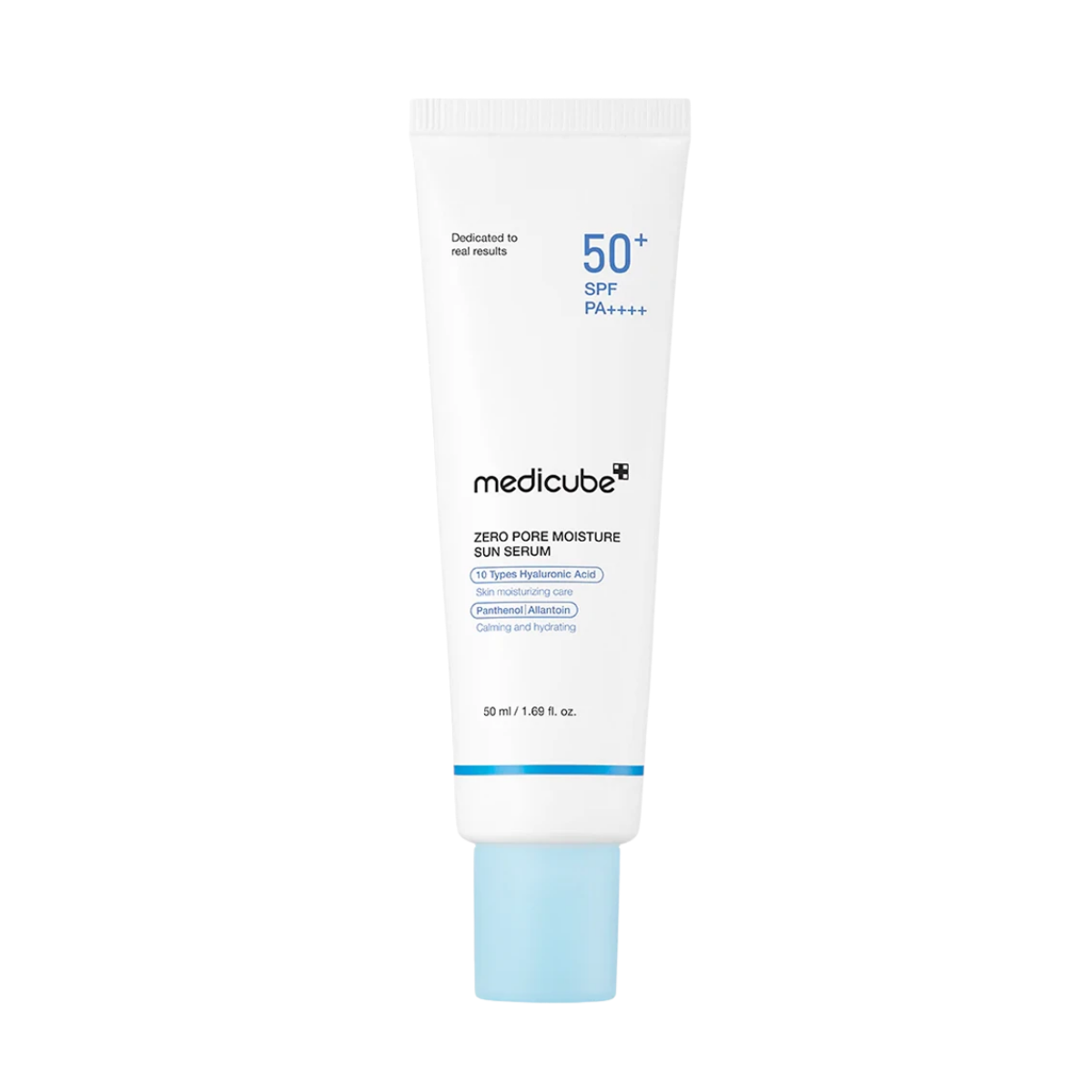

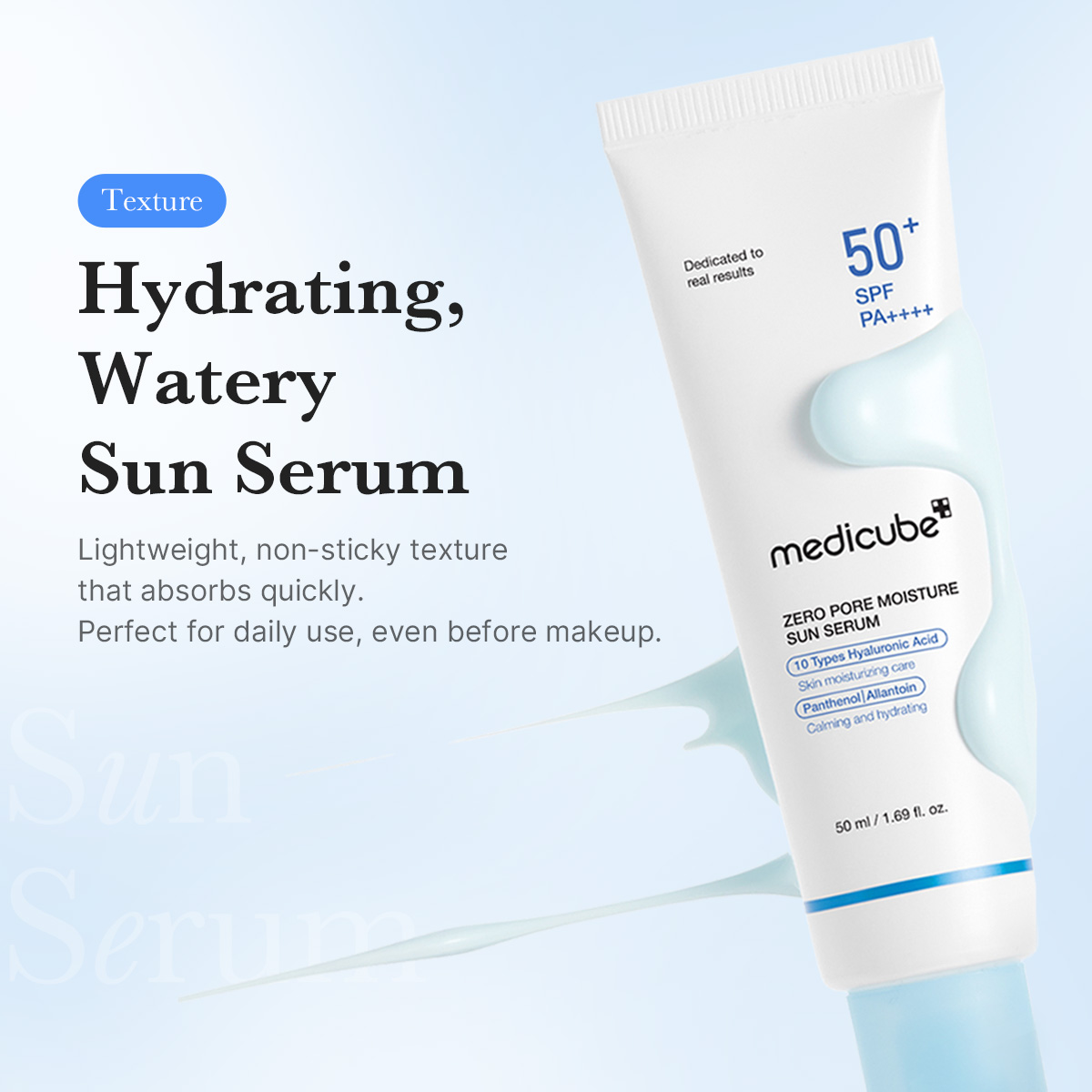

Medicube – Zero Pore Moisture Sun Serum 50 ml
Original price was: 18,49 €.12,94 €Current price is: 12,94 €.


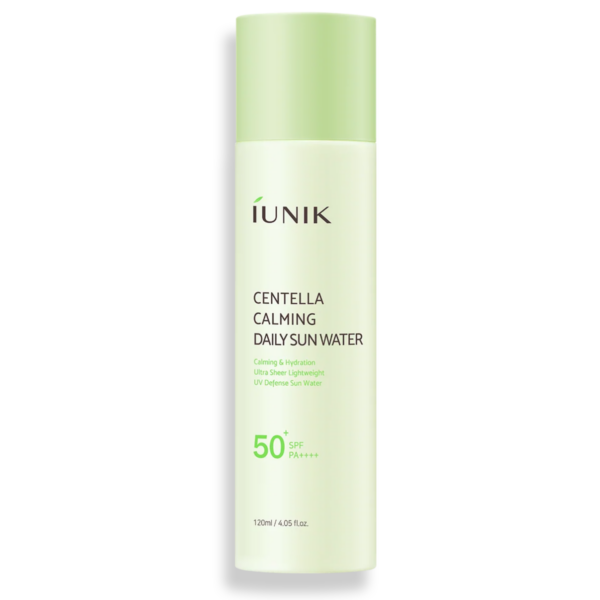


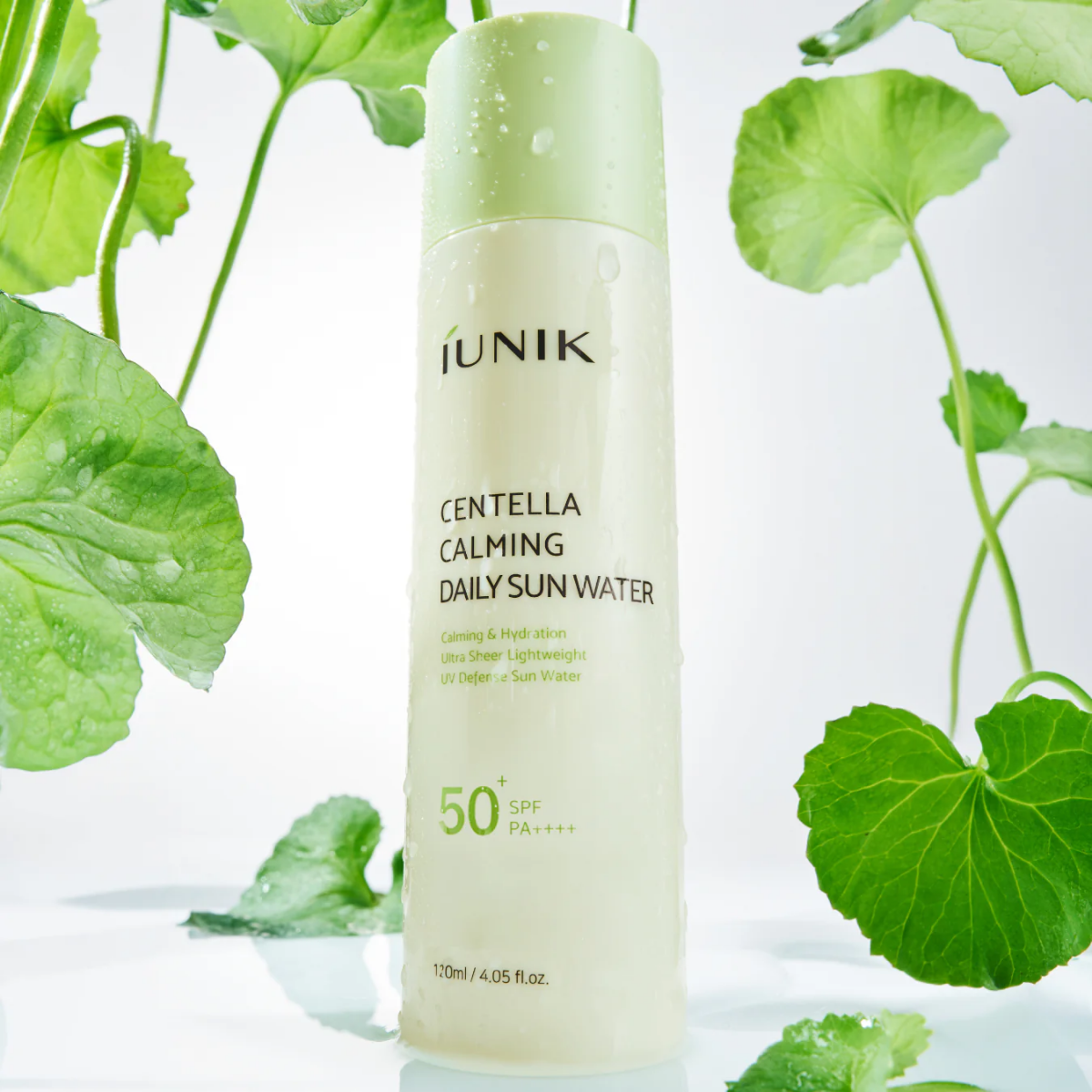
Iunik – Centella Calming Daily Sun Water SPF50+ PA++++ 120 ml
Original price was: 24,99 €.19,99 €Current price is: 19,99 €.
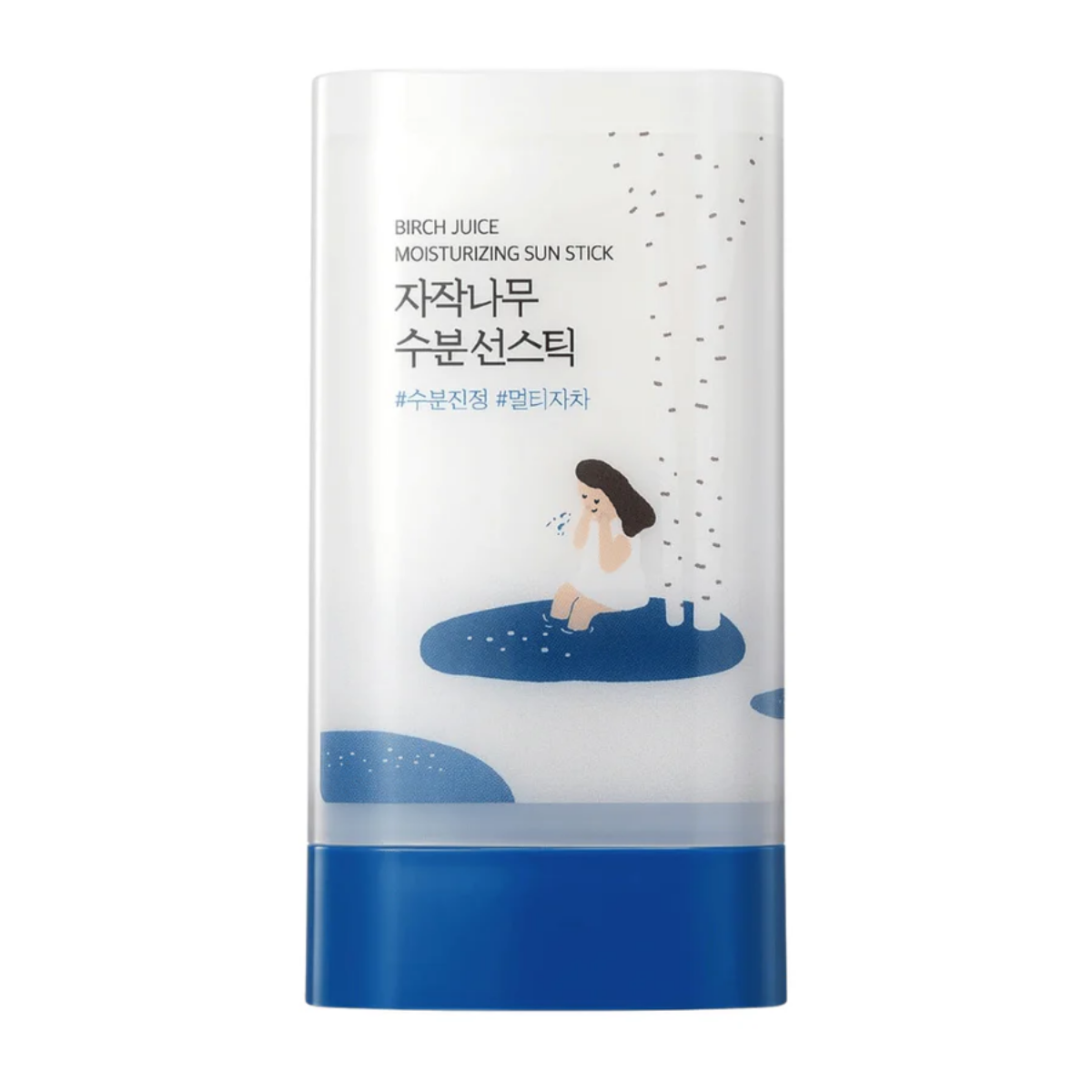
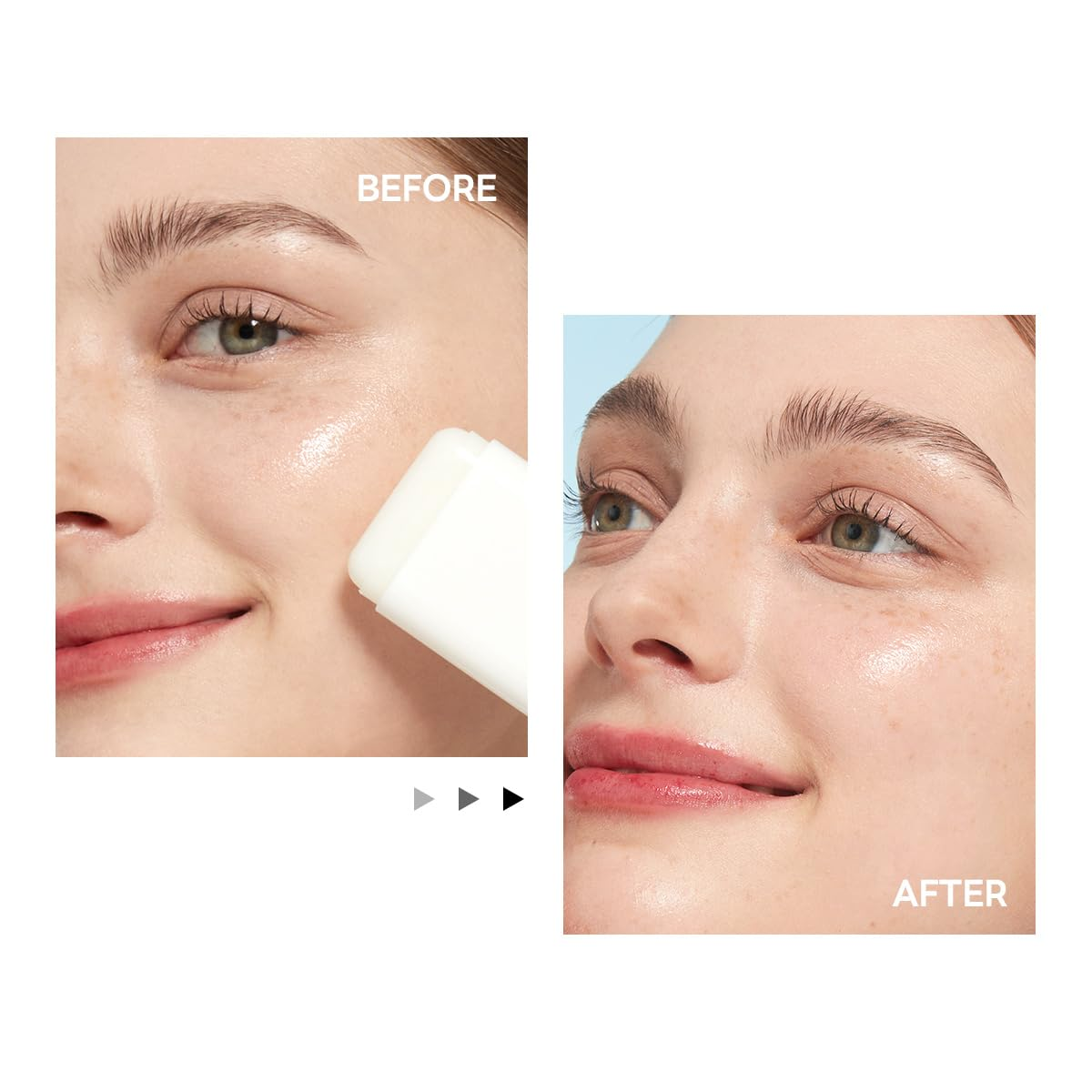
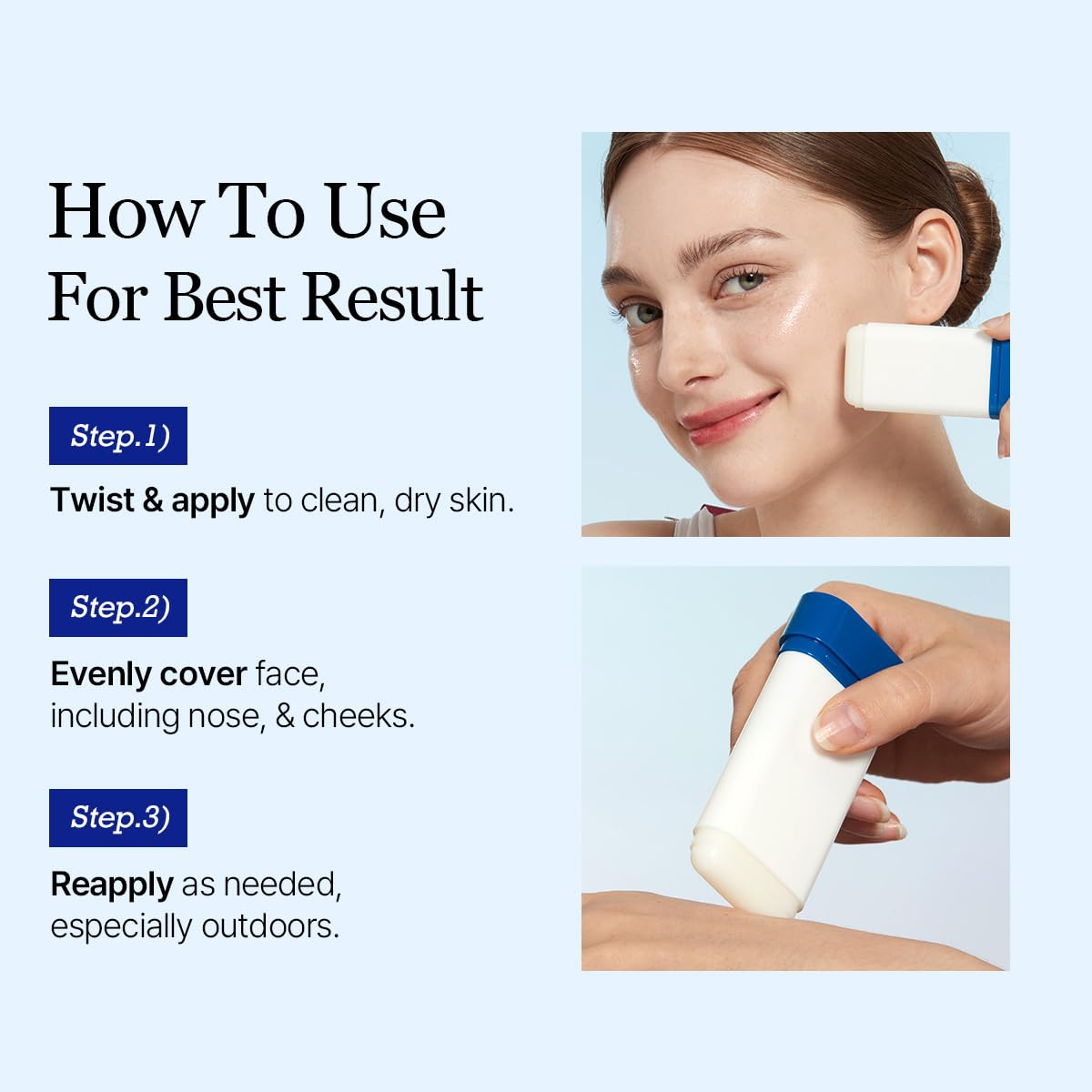
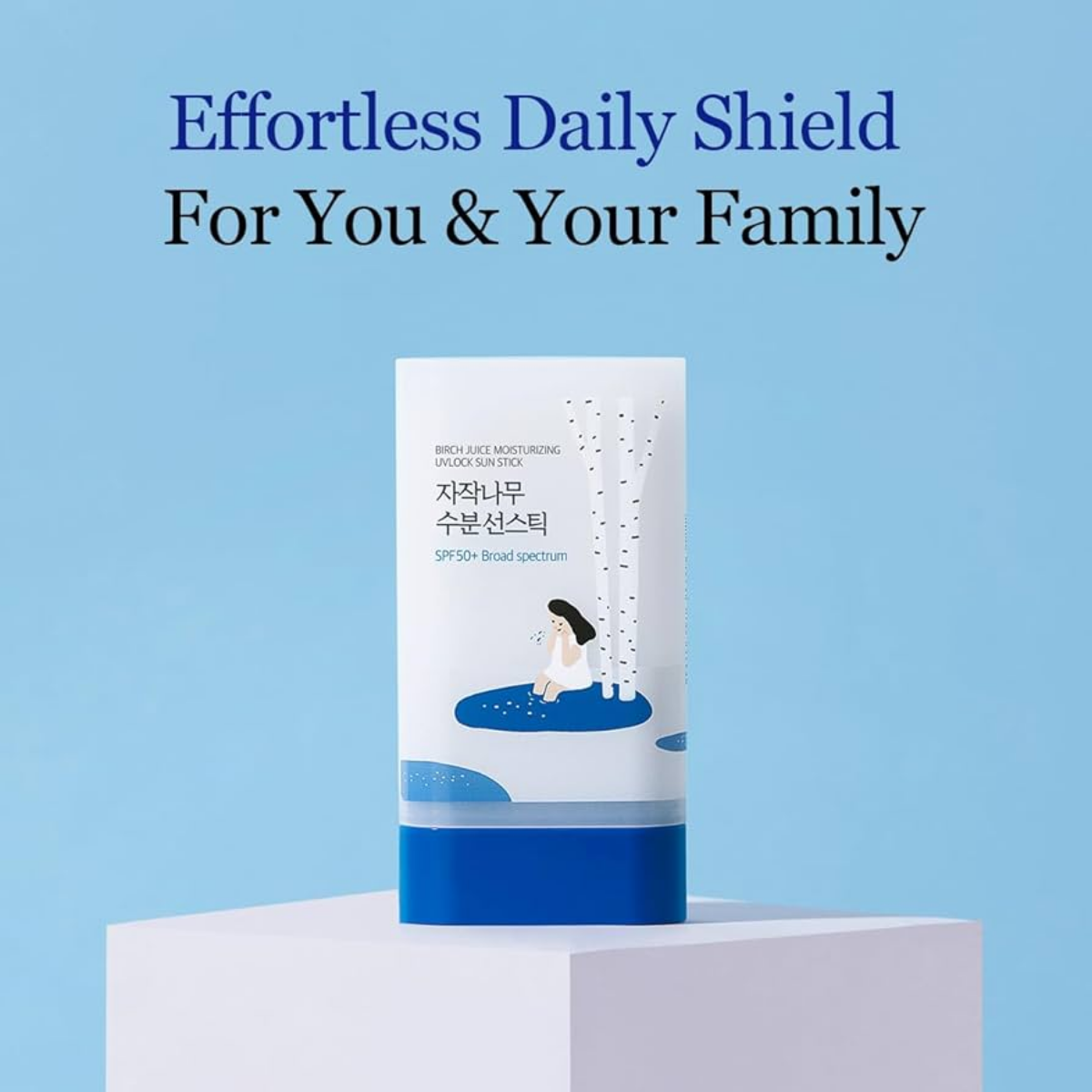
Round Lab – Birch Juice Moisturizing Sun Stick 19 g
Original price was: 23,49 €.18,79 €Current price is: 18,79 €.
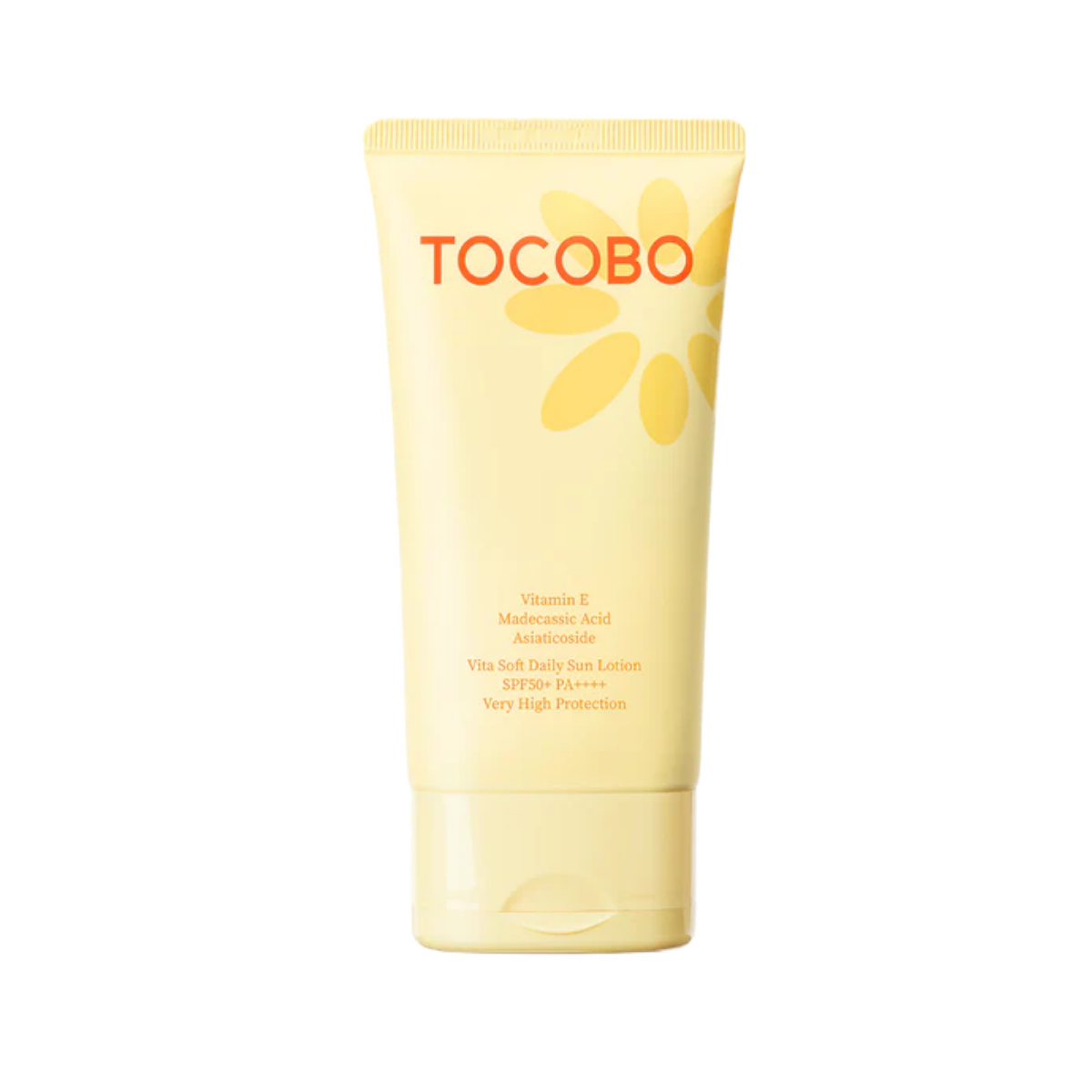
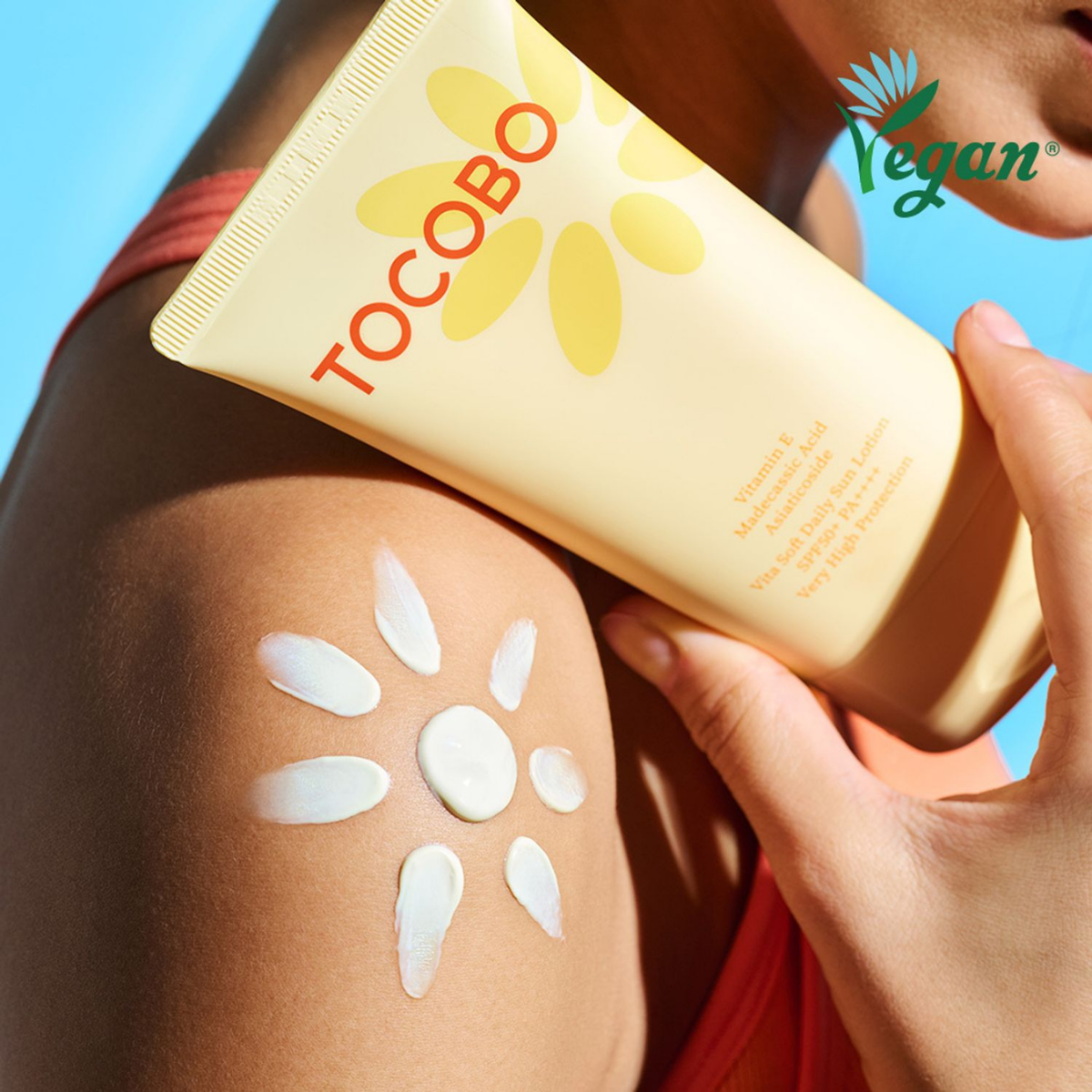
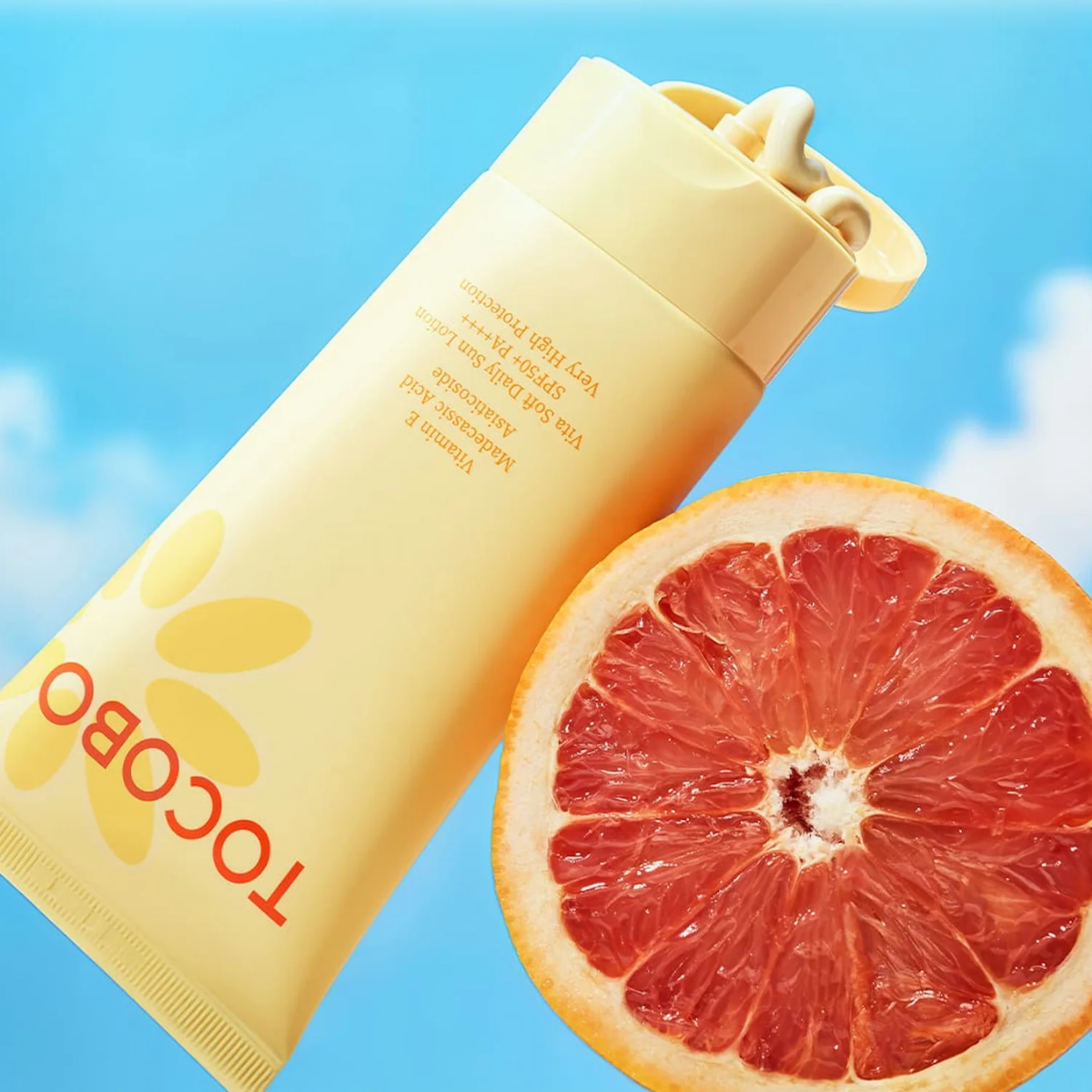
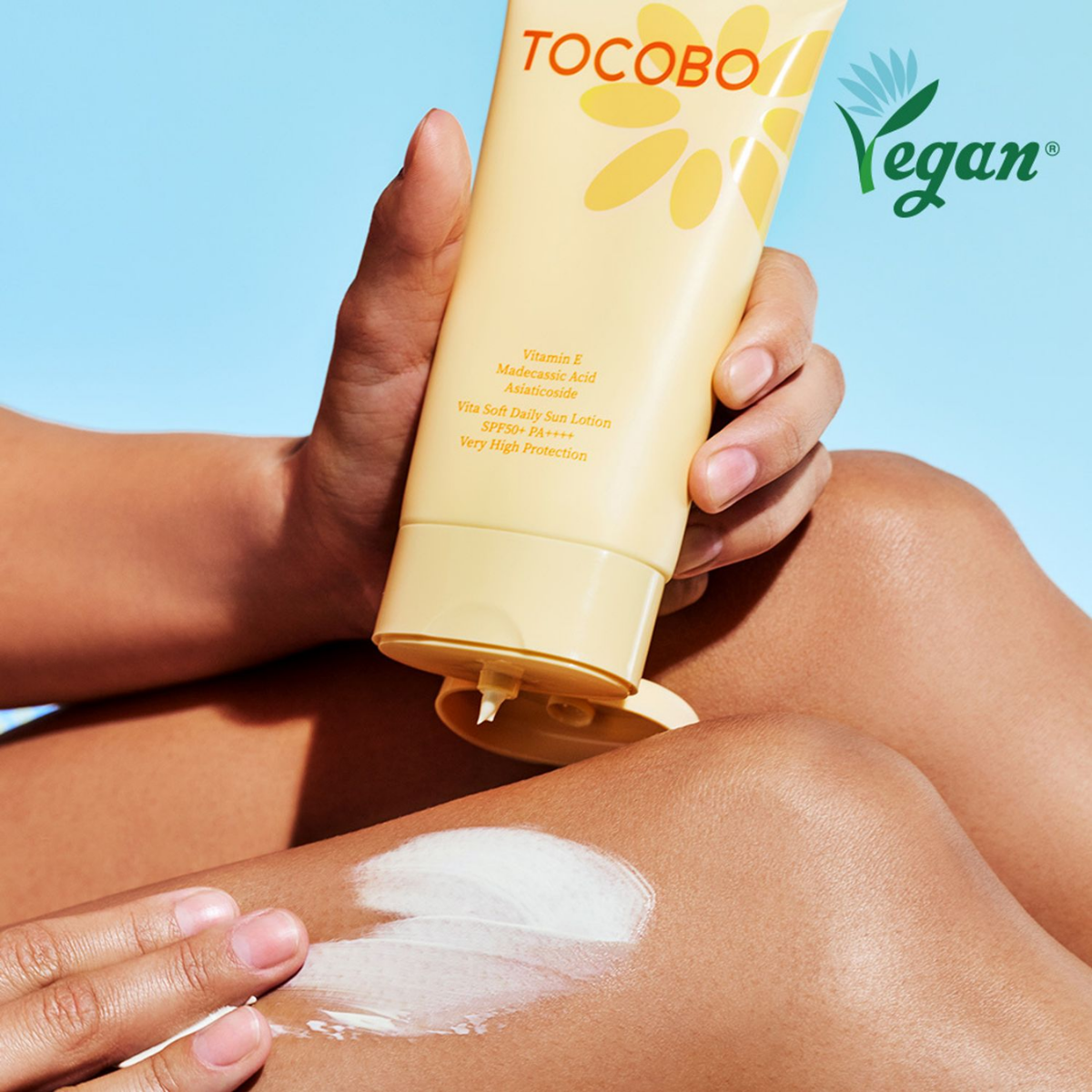
Tocobo – Vita Soft Daily Sun Lotion SPF 50+ 150 ml
Original price was: 23,49 €.16,44 €Current price is: 16,44 €.

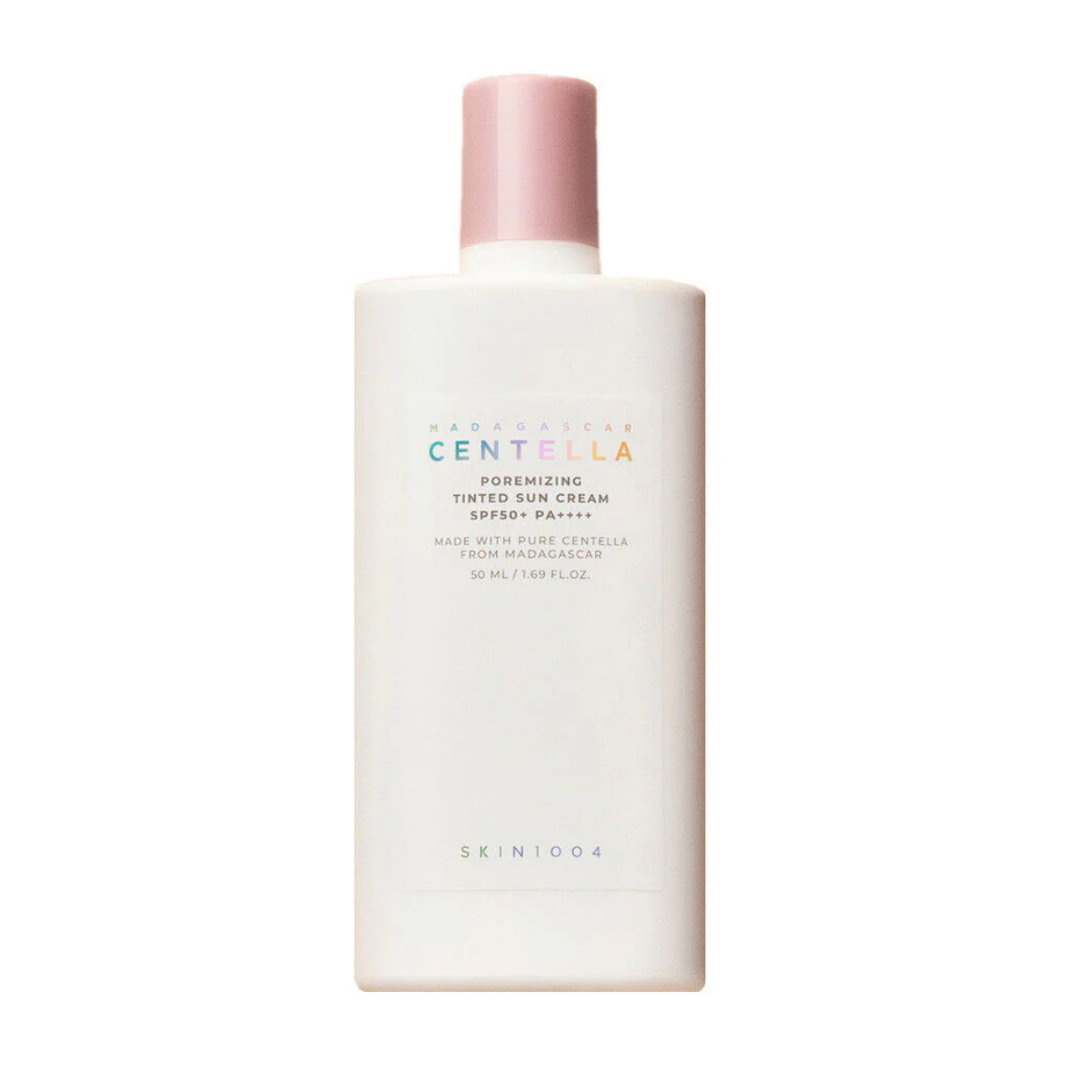

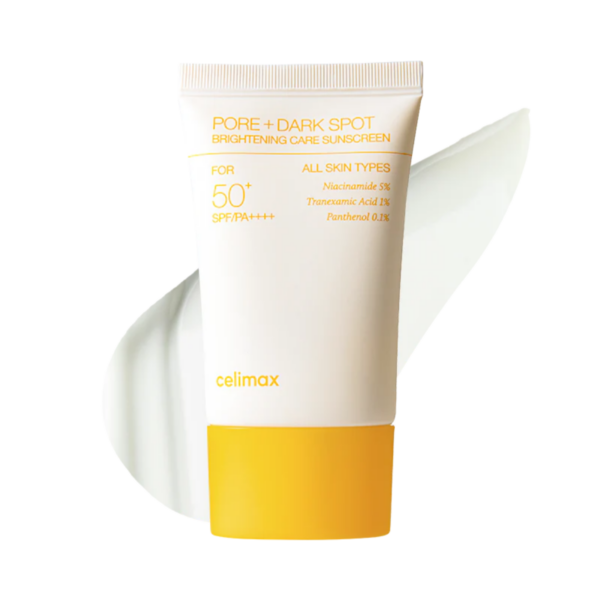

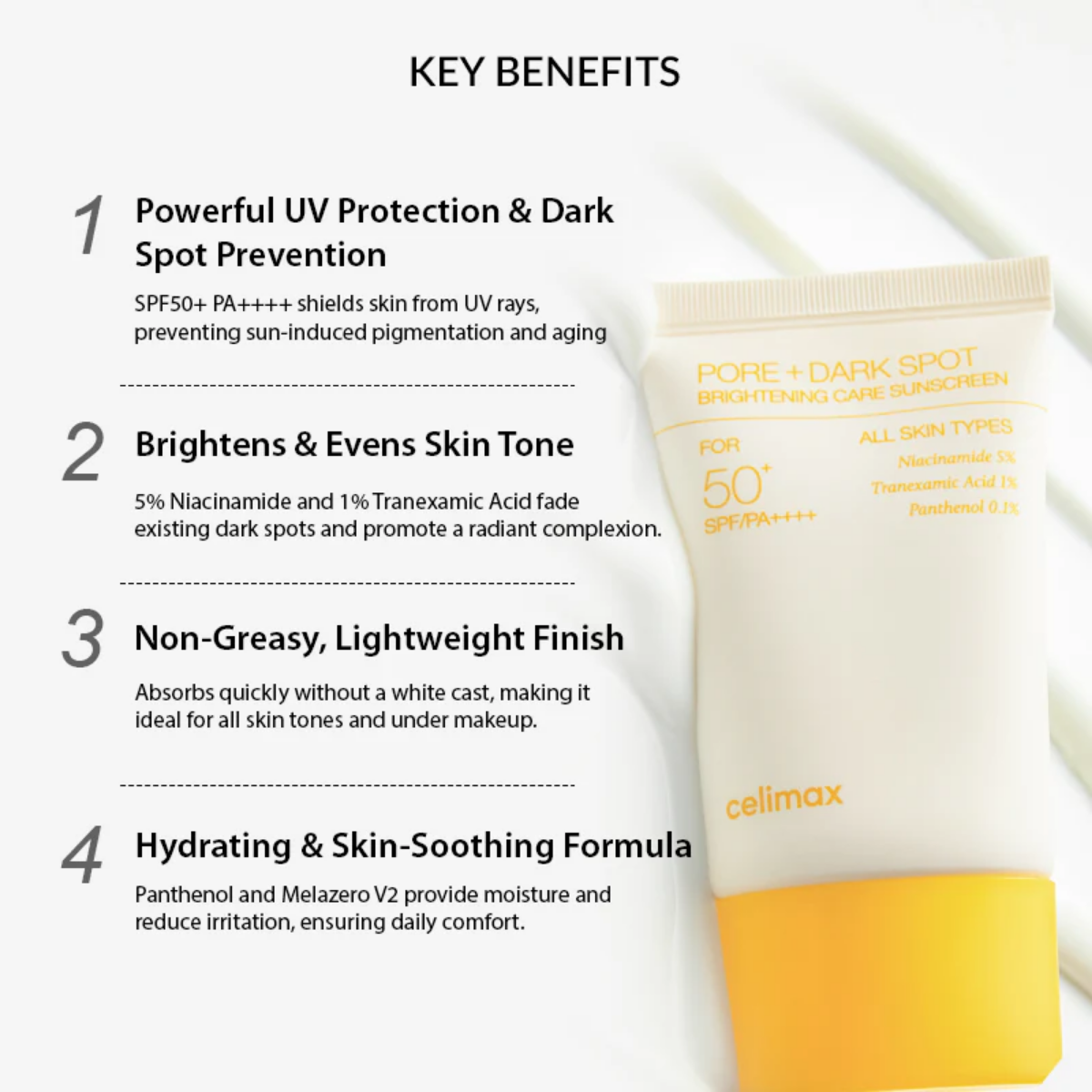
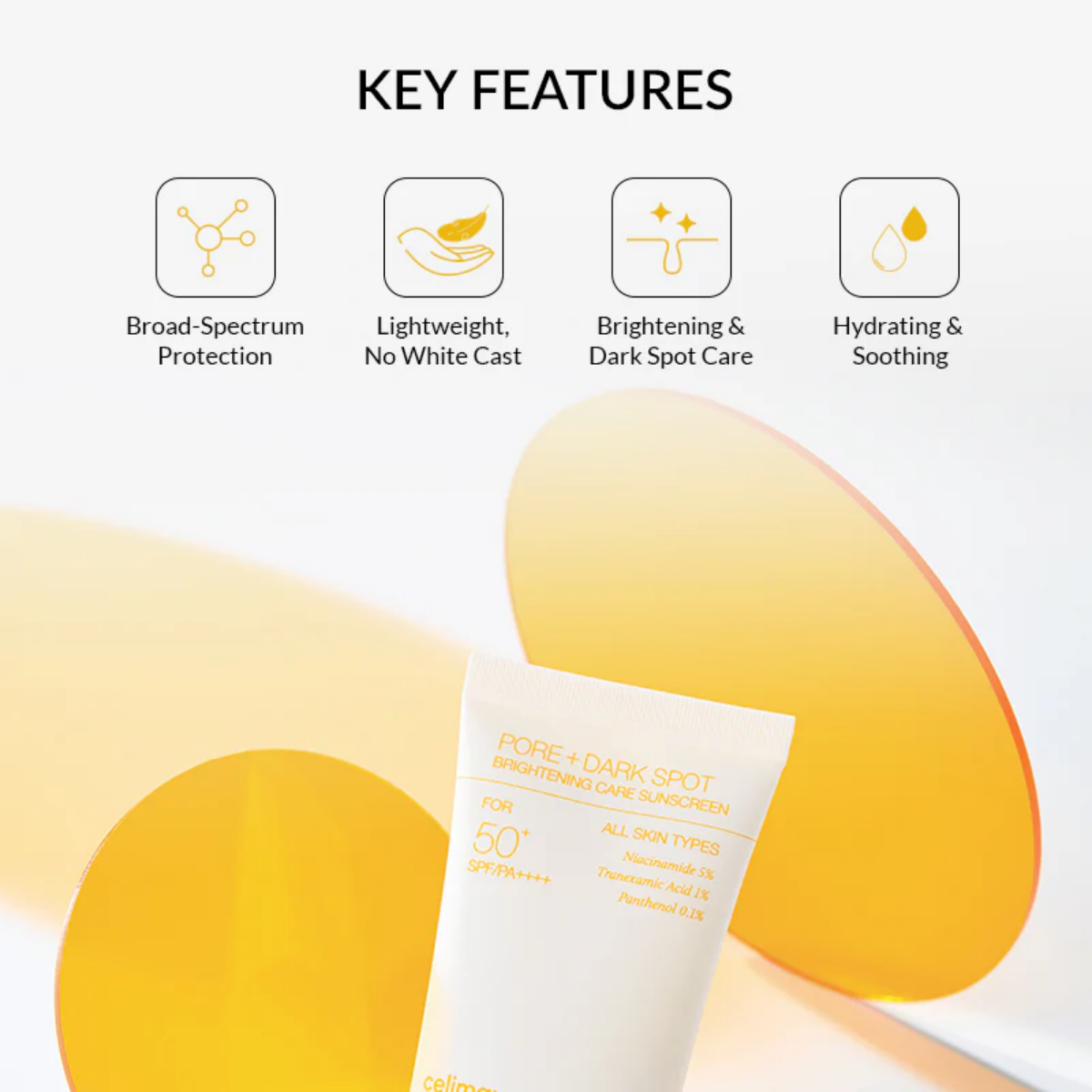

Celimax – Pore+Dark Spot Brightening Care Sunscreen SPF 50+ 50 ml
Original price was: 21,99 €.17,59 €Current price is: 17,59 €.
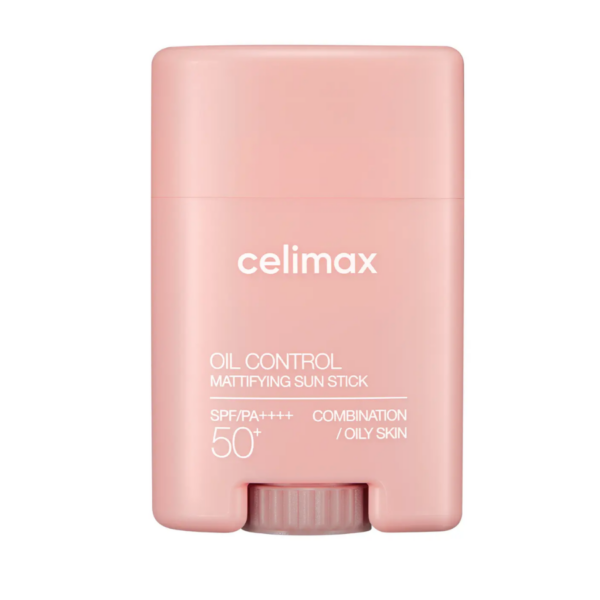
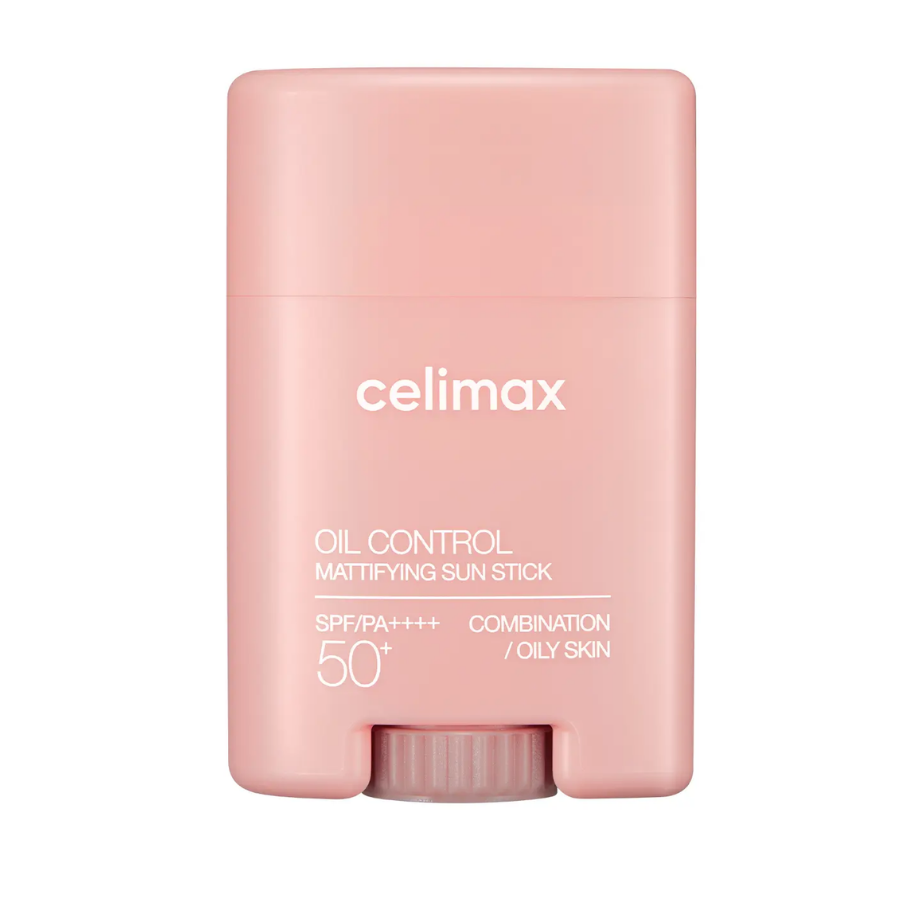
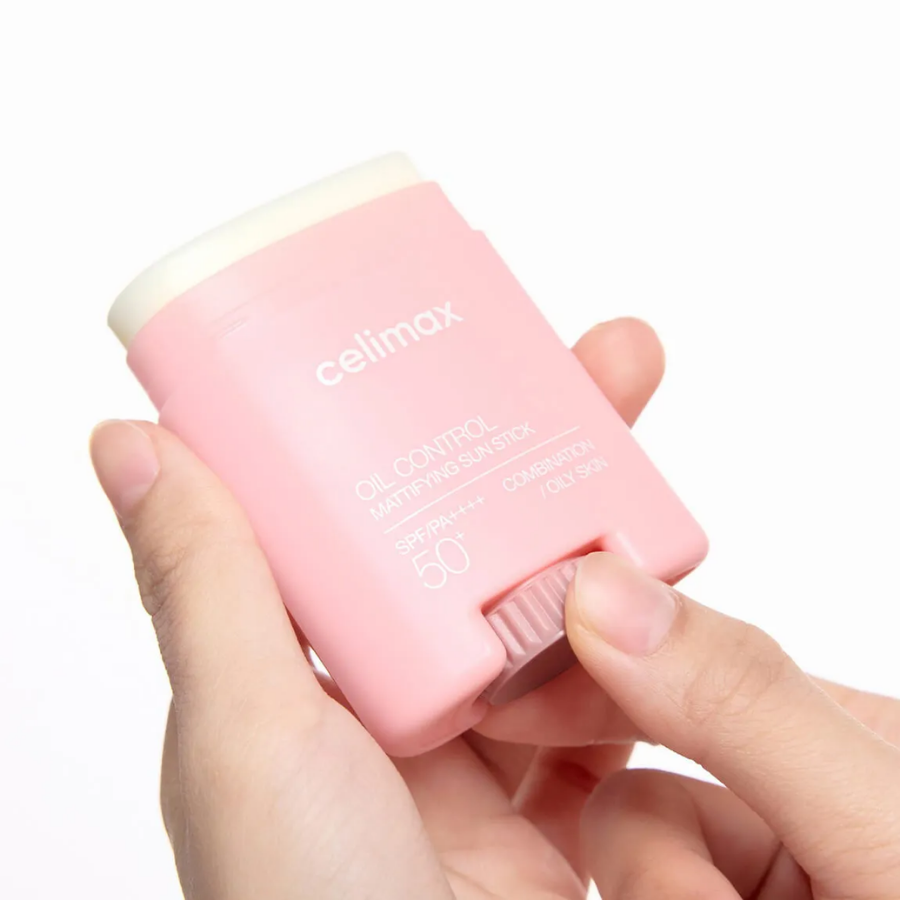
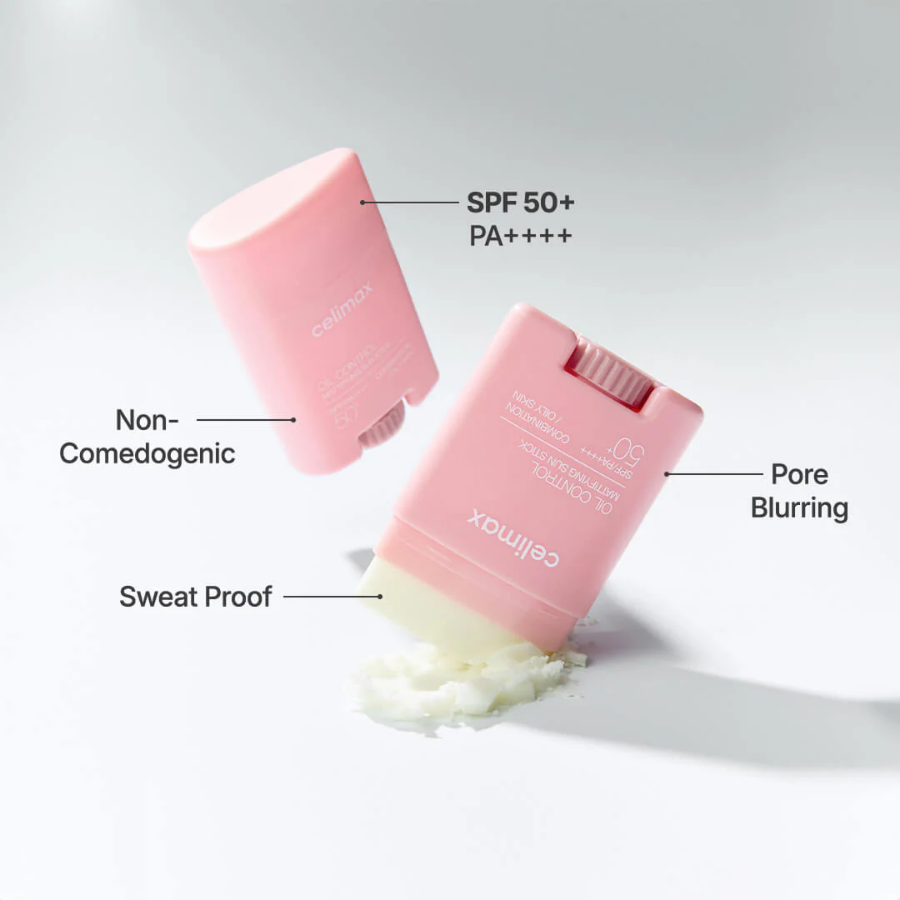
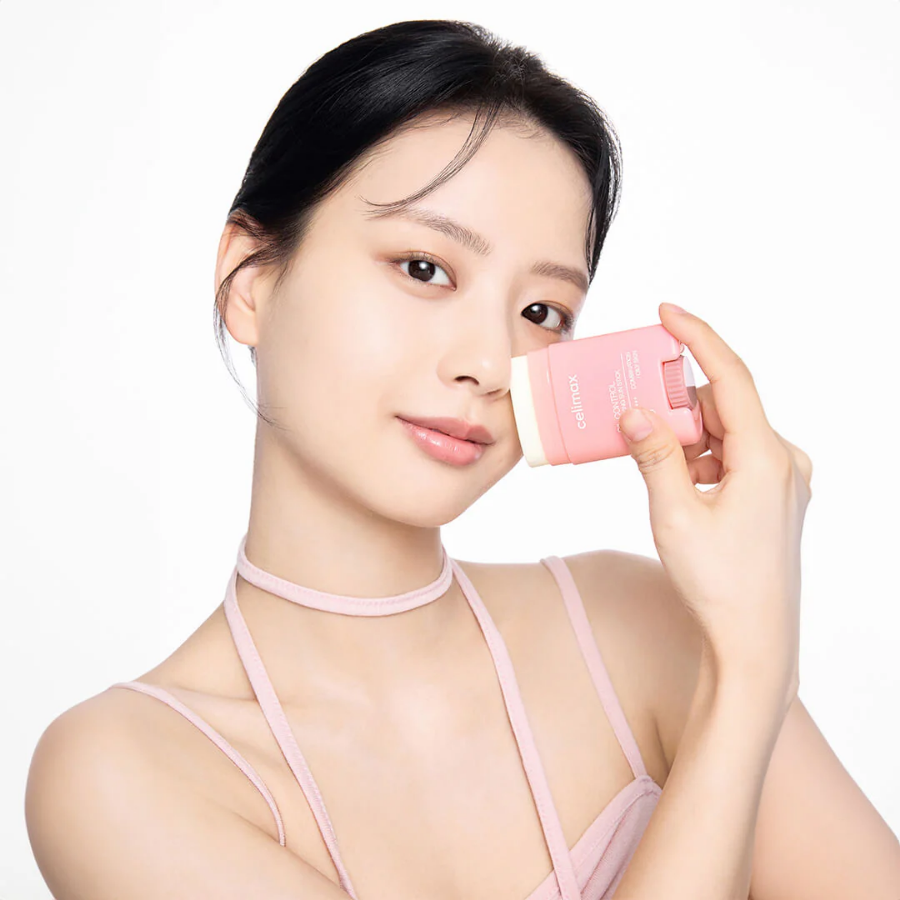
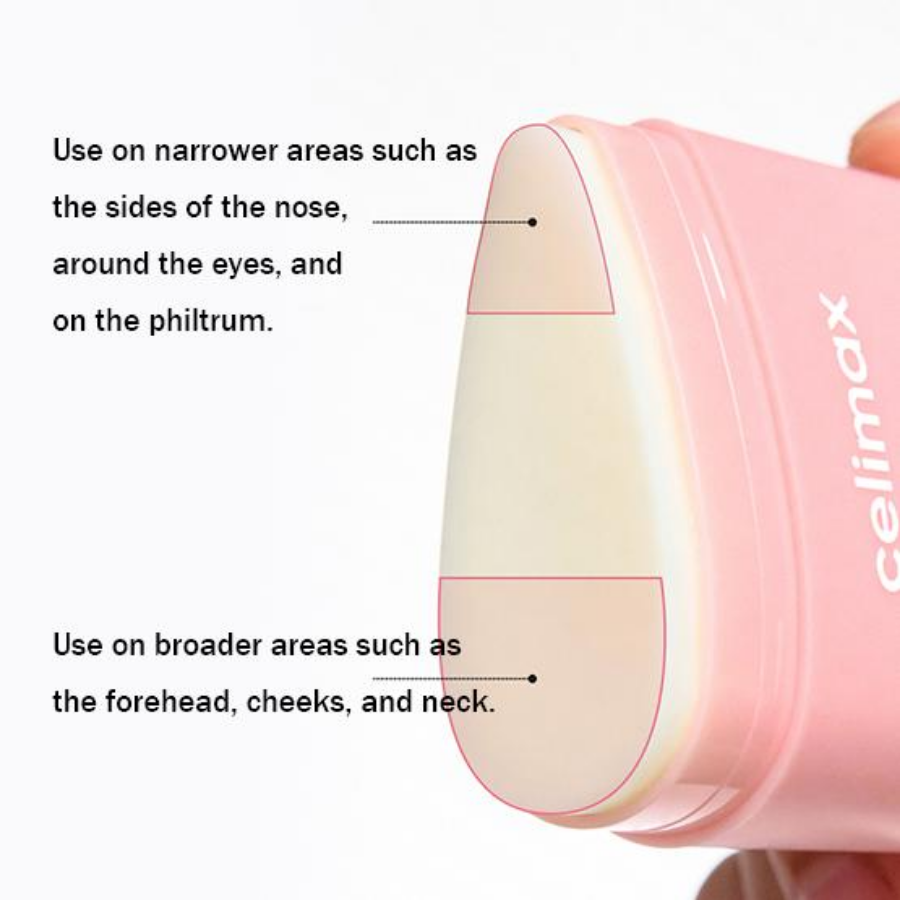
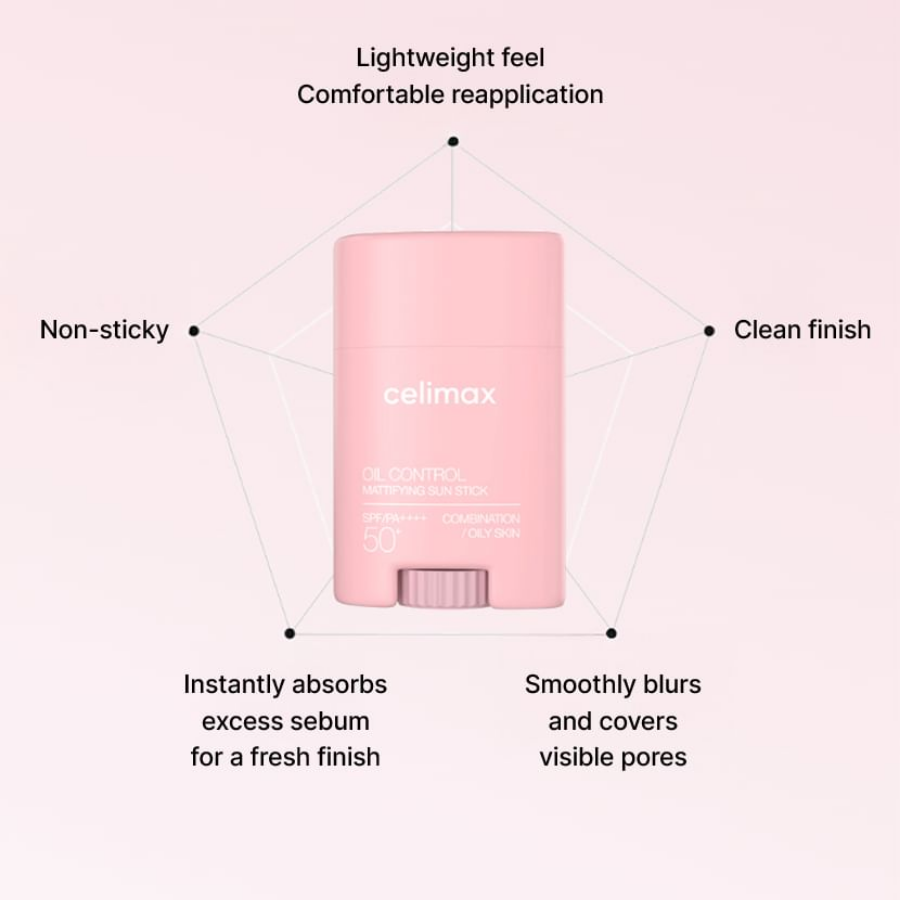
Celimax – Oil Control Mattifying Sun Stick SPF 50+ PA++++ 19 g
Original price was: 20,99 €.14,69 €Current price is: 14,69 €.

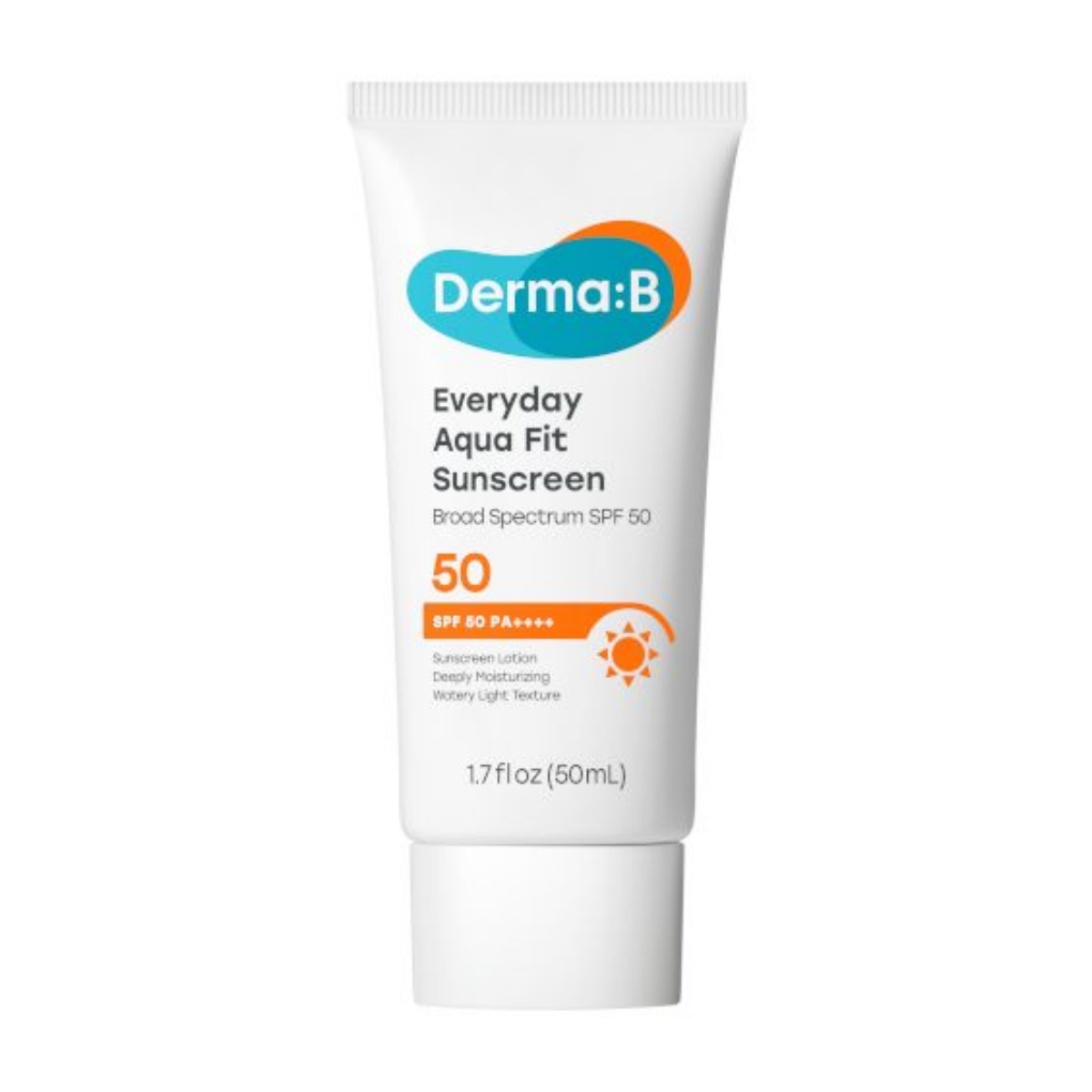
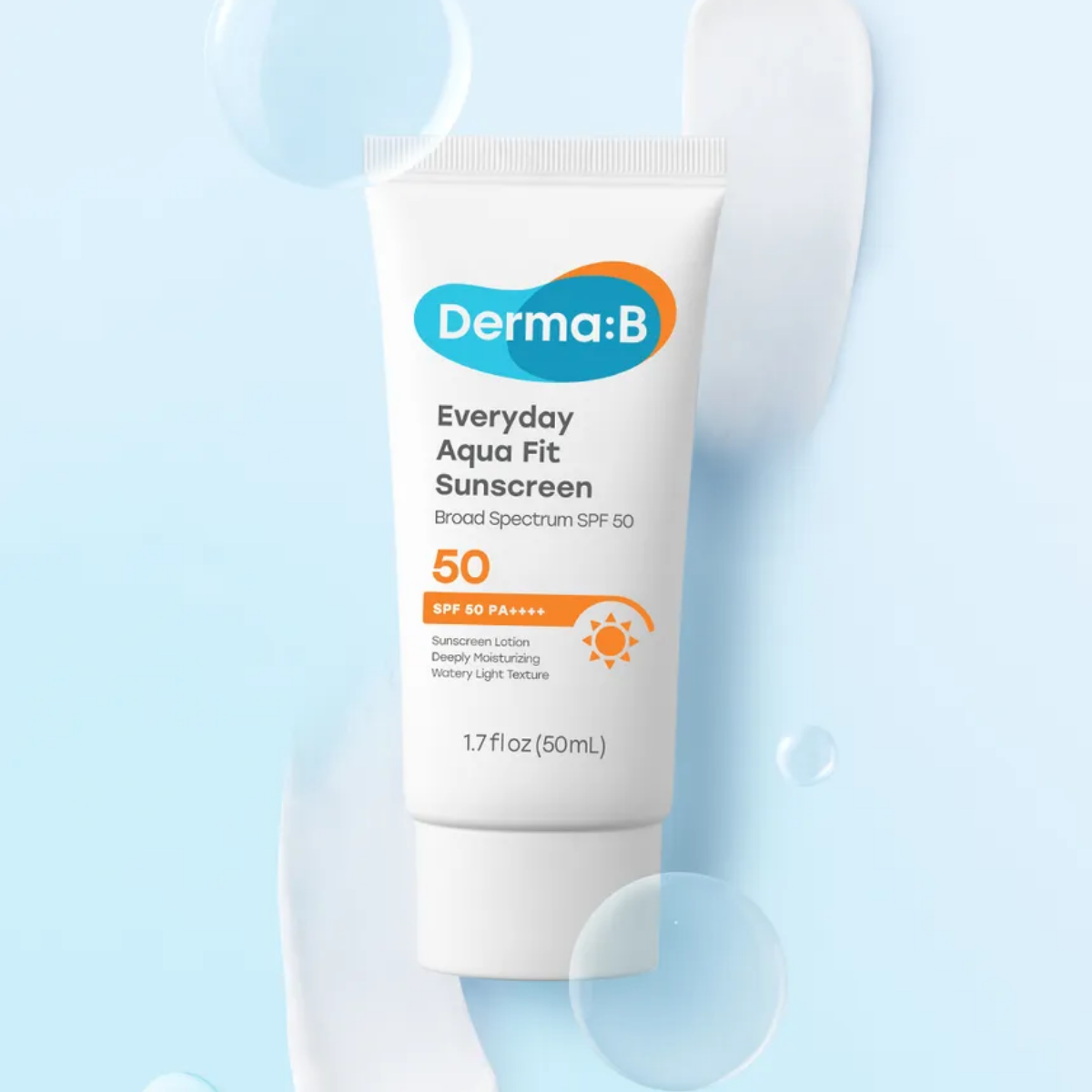
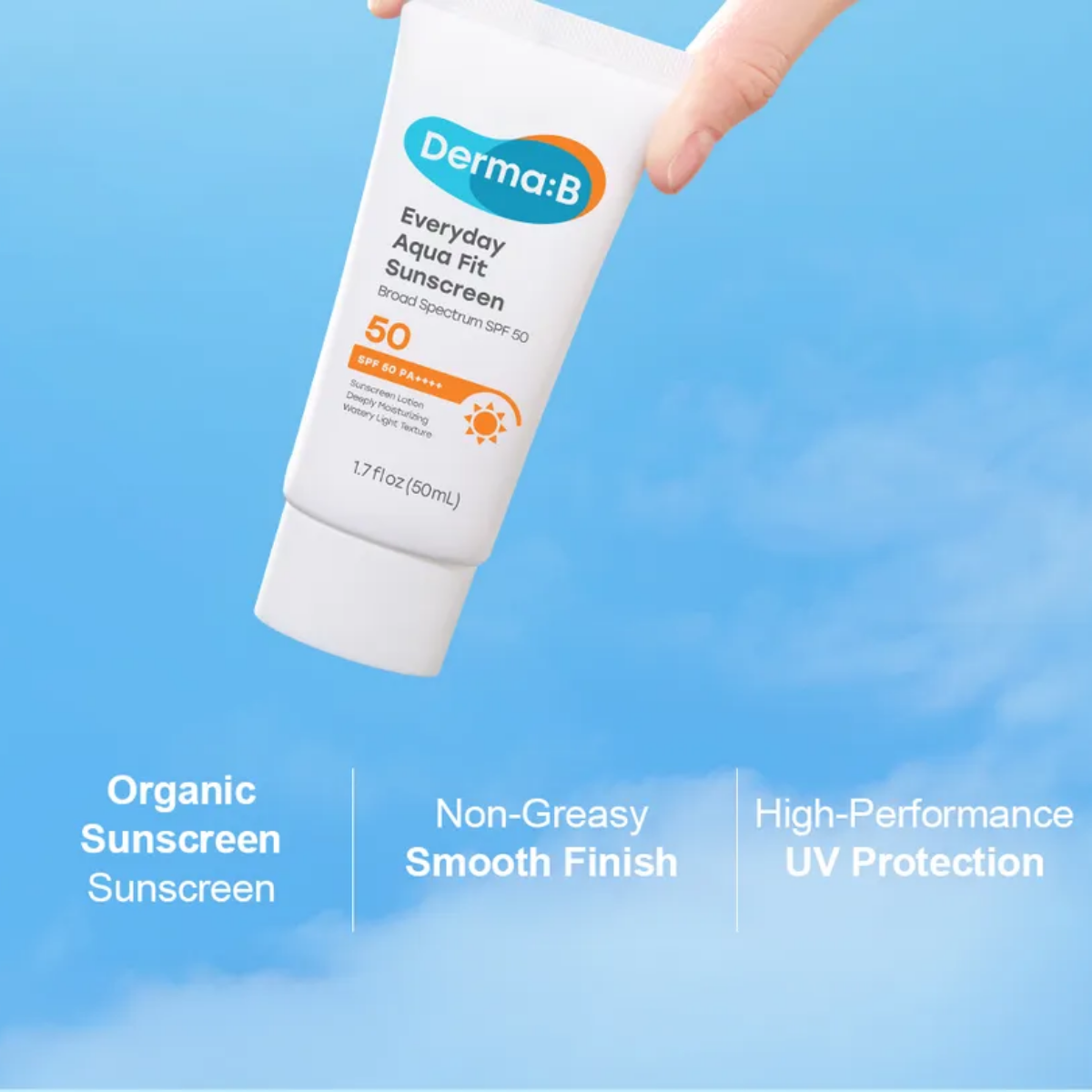
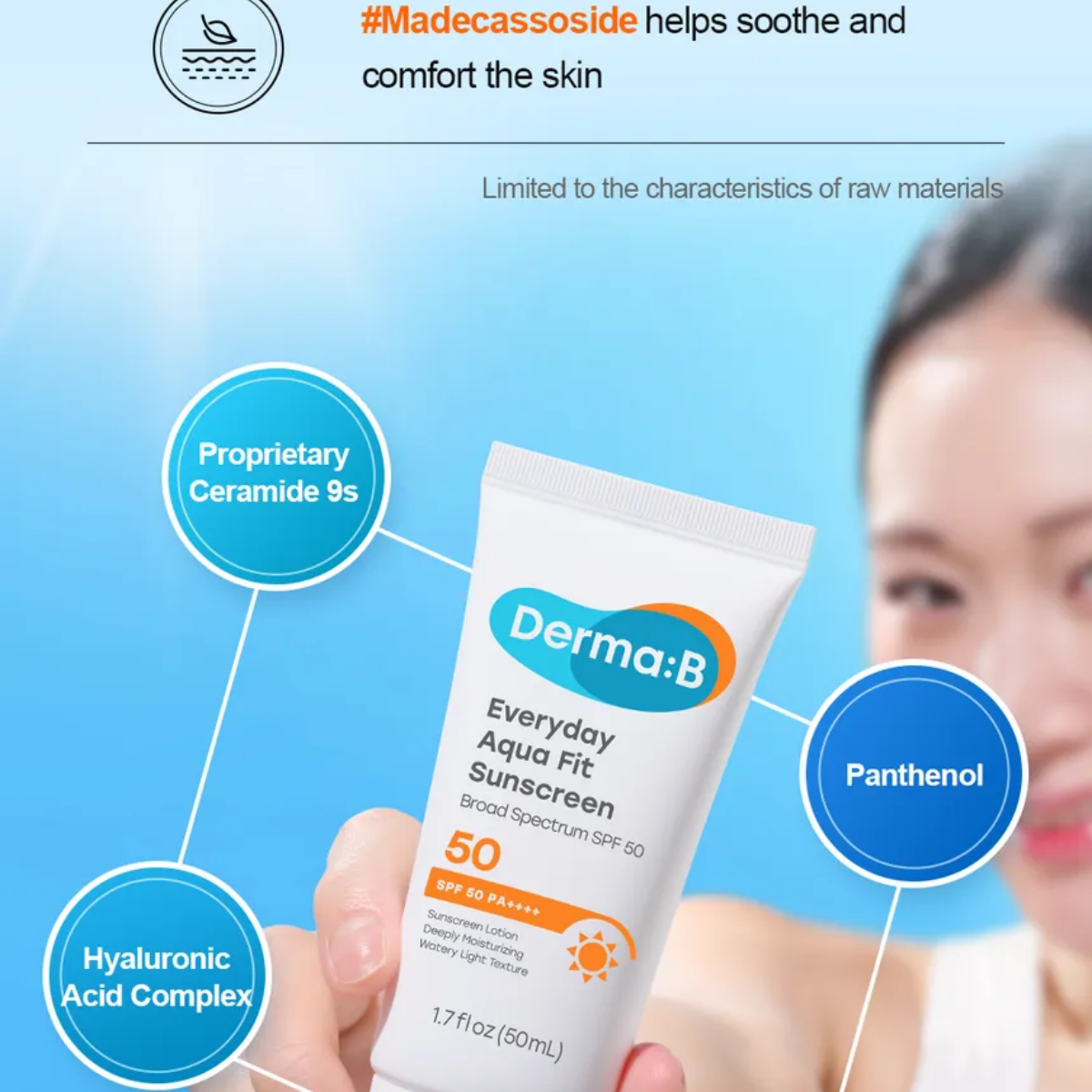
Derma:B – Everyday Aqua Fit Sunscreen 50 ml
Original price was: 21,99 €.13,19 €Current price is: 13,19 €.


Anua – Zero-Cast Moisturizing Finish Sunscreen 50 ml
Original price was: 20,99 €.16,79 €Current price is: 16,79 €.


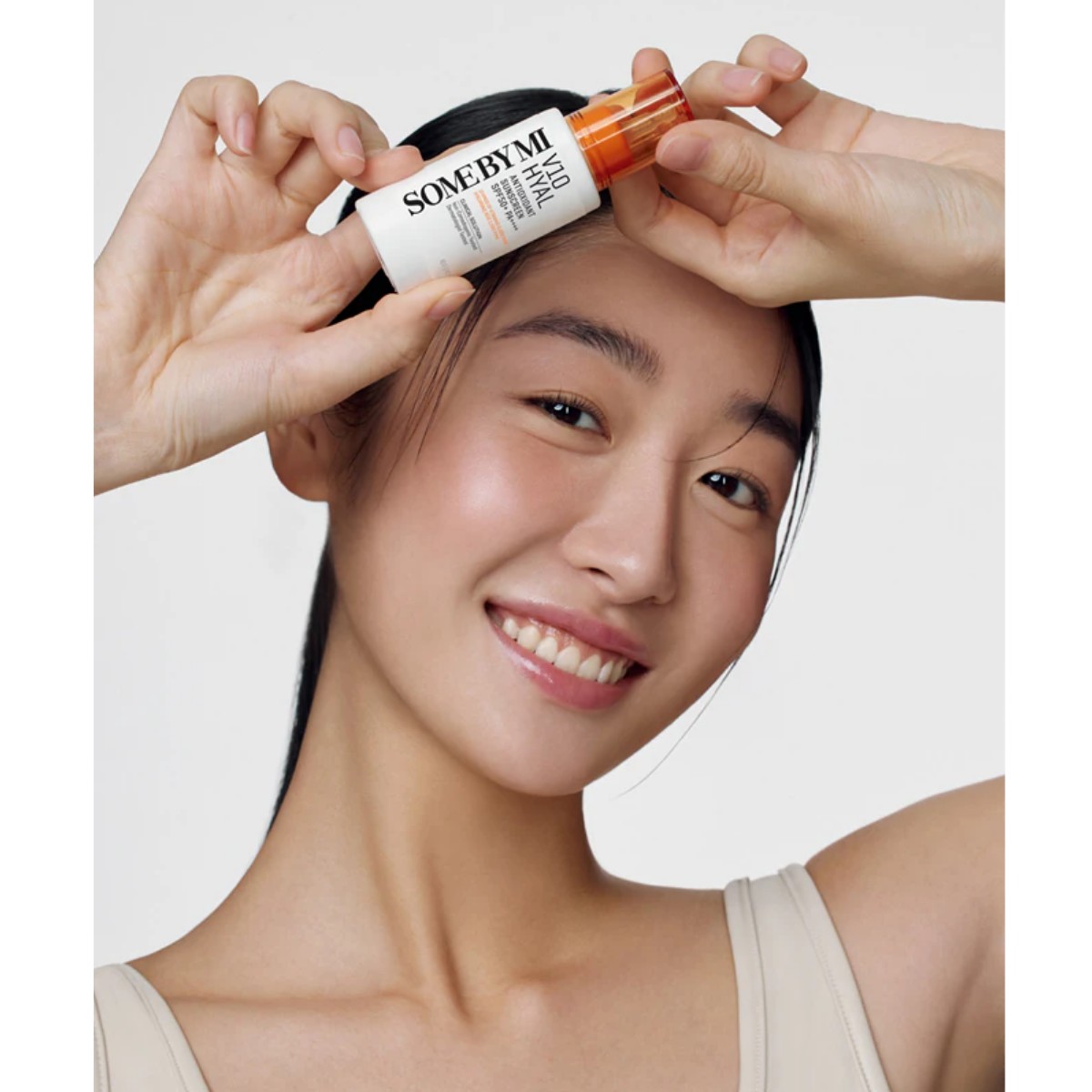


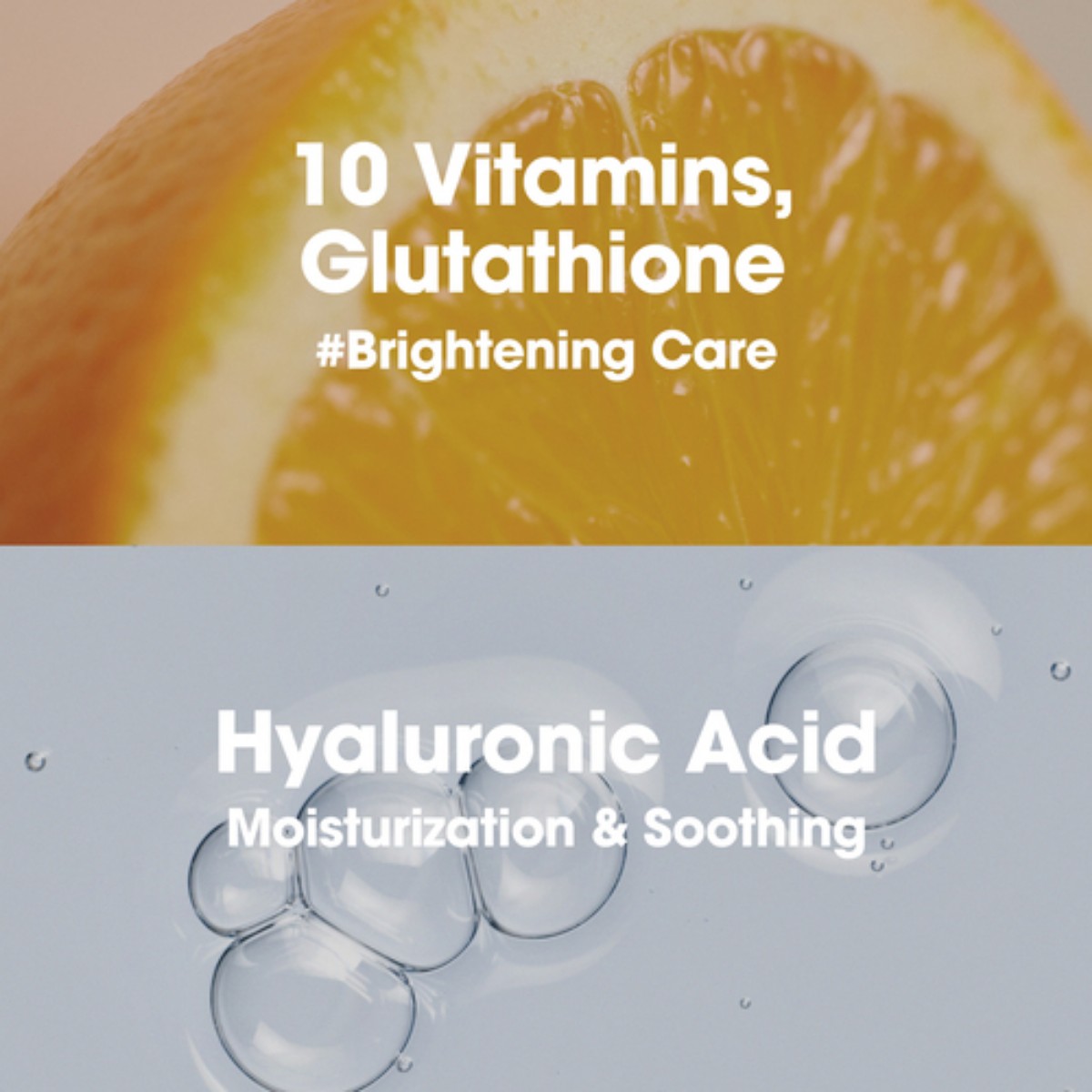
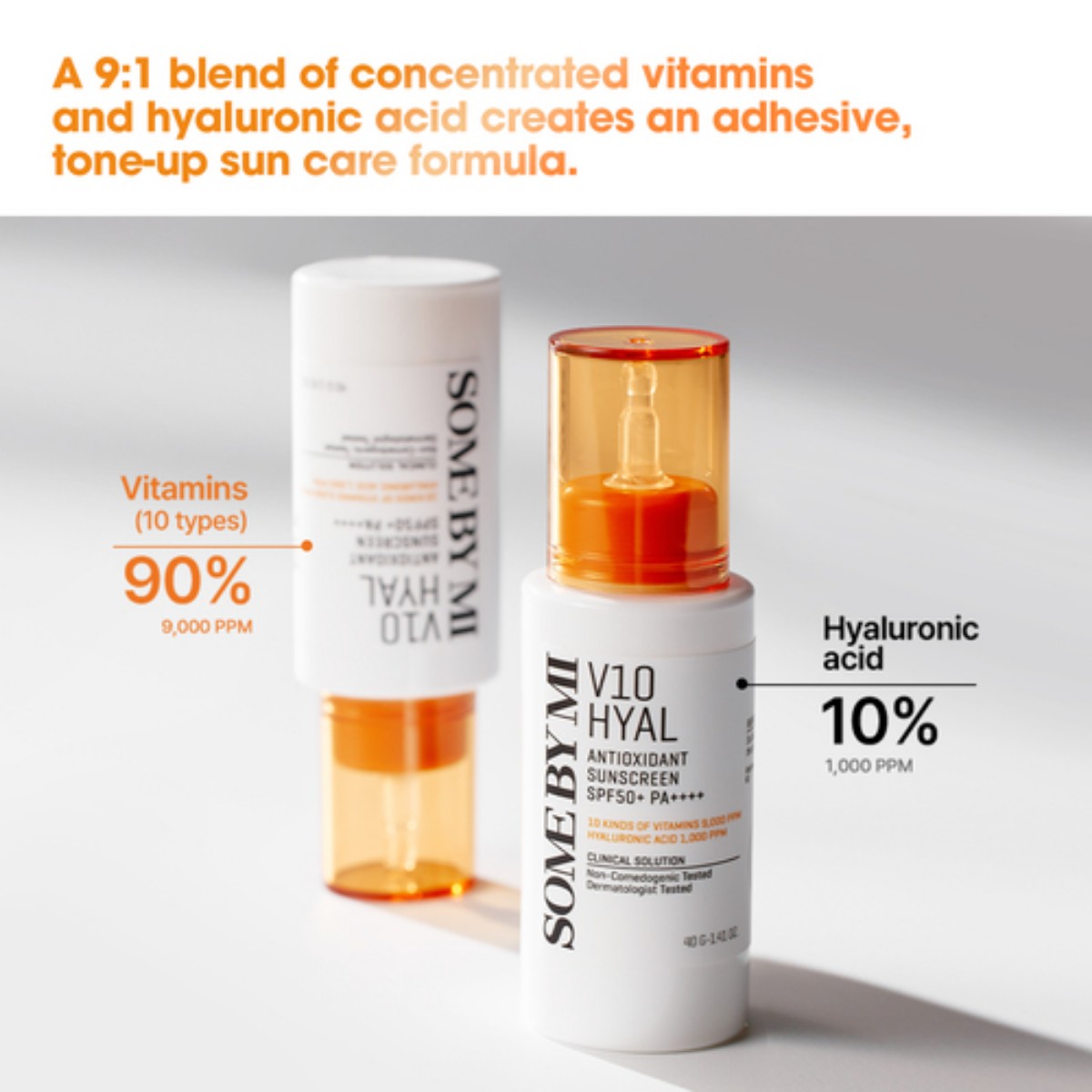

Some By Mi – V10 Hyal Anti-Oxidant Sunscreen 40 ml
Original price was: 22,99 €.11,49 €Current price is: 11,49 €.


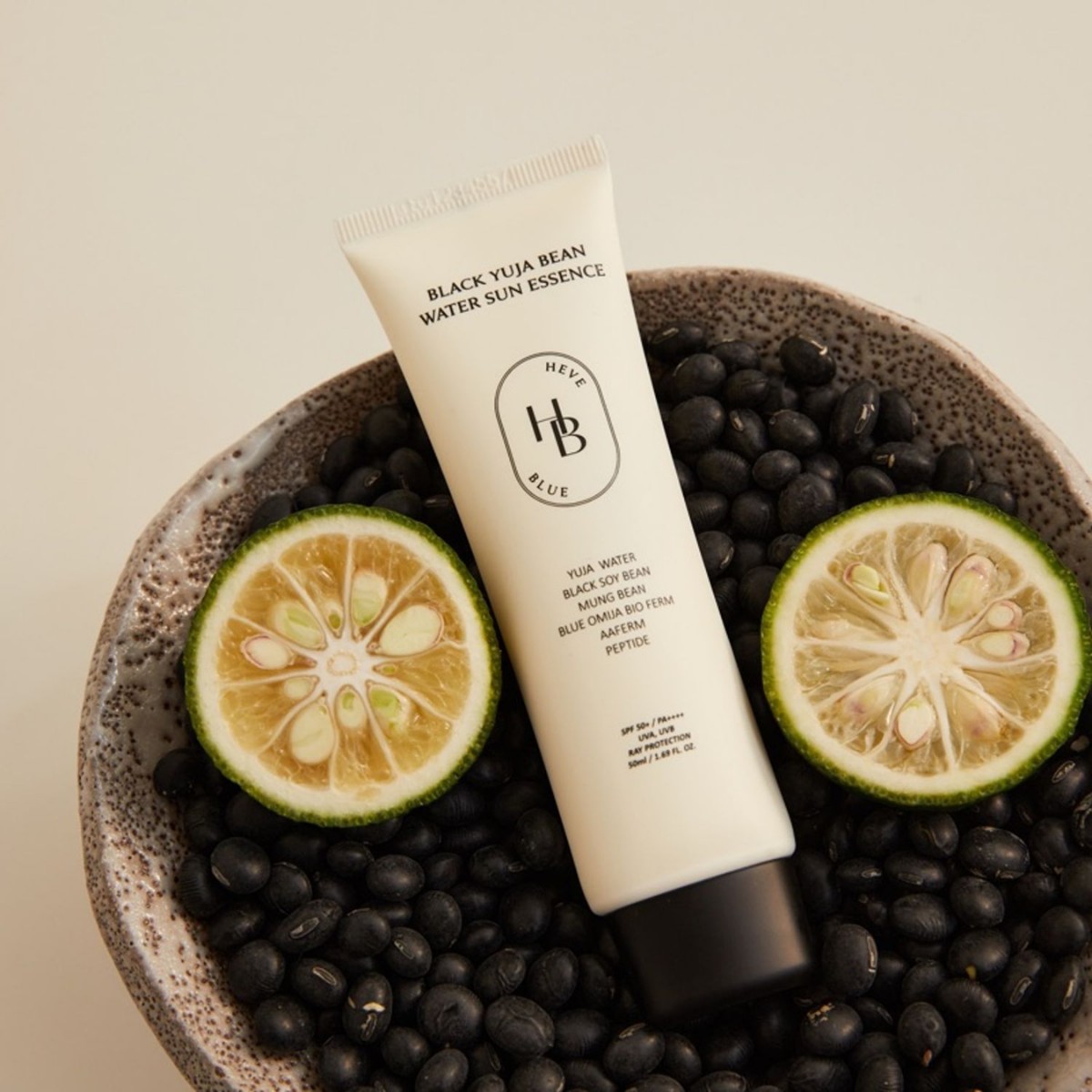


Heveblue – Black Yuja Bean Water Sun Essence 50 ml
Original price was: 24,99 €.12,49 €Current price is: 12,49 €.


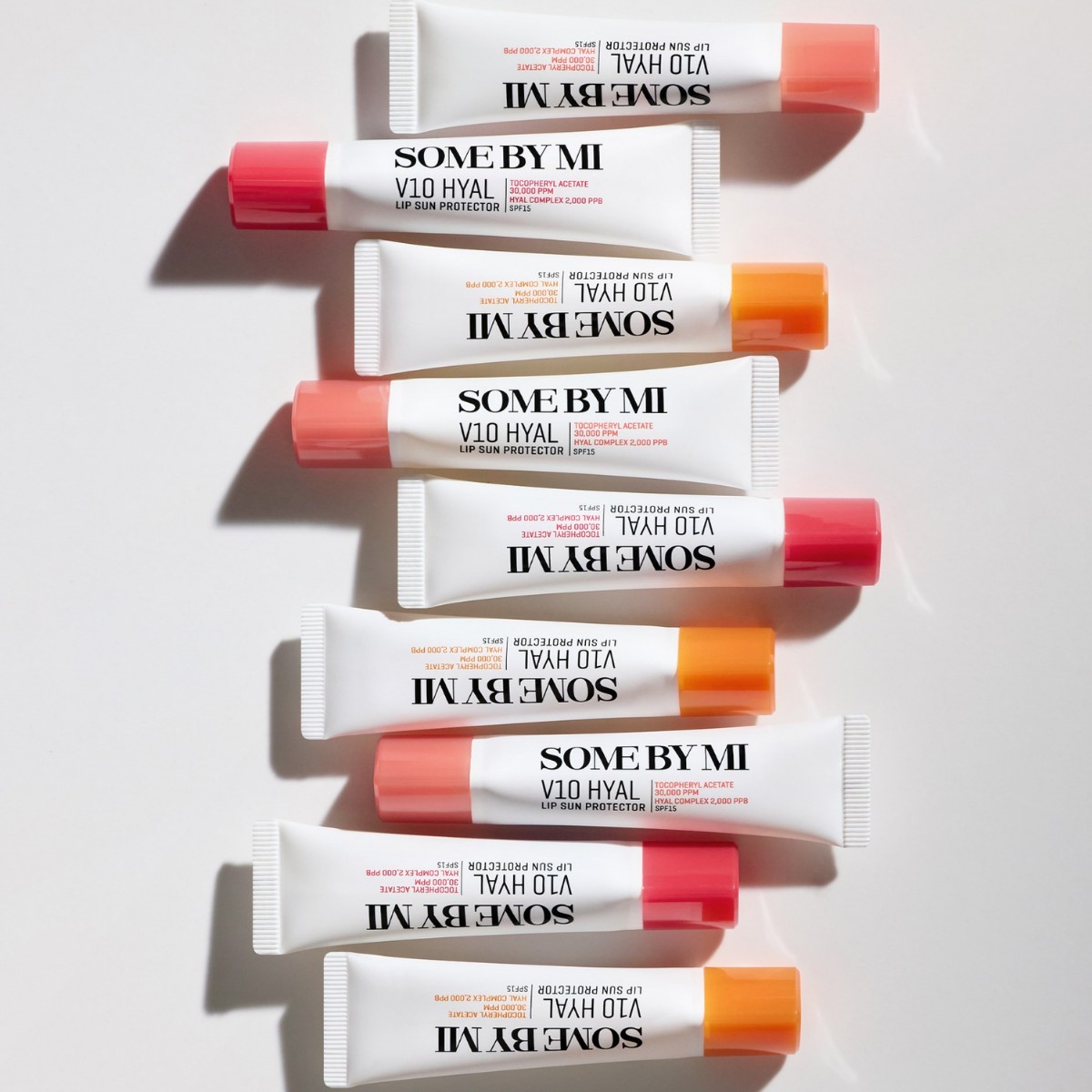
Some By Mi – V10 Hyal Lip Sun Protector #01 Rosy 16 g
Original price was: 24,99 €.14,99 €Current price is: 14,99 €.
Sunscreen
What is Sun Cream?
Sun cream is a product that you apply to the skin to protect it from harmful UV rays from the sun. It acts as a barrier between the skin and the sun’s rays. Sun creams come with different SPF (sun protection factor) values, which indicate how well the product protects against UVB rays, helping to prevent premature aging, hyperpigmentation, and skin cancer.
Why Choose Korean Sun Cream?
Korean skincare has a strong focus on protecting the skin from harmful UV rays from the sun. Therefore, sun cream is an essential part of the skincare routine to maintain healthy, glowing skin. Korean sun creams often have higher SPF values compared to sun creams from other parts of the world, and they are often made with nourishing ingredients that hydrate the skin. Many of them also have a light texture, making them easy to absorb.
What is PA+?
The PA+ value stands for “Protection Grade of UVA,” a Japanese standard that measures UVA protection in sun creams. UVA rays can damage the skin, so it is important to ensure that the sun cream also protects against these rays. The PA+ value ranges from + to +++, where + indicates the lowest protection and +++ indicates the highest protection against UVA rays.
What Types of Sun Creams Are There?
Sun creams come in different types, including chemical, physical, and mineral-based sun creams:
- Chemical Sun Creams: Contain ingredients such as oxybenzone, avobenzone, and octisalate. These sun creams penetrate the upper layers of the skin. They should be applied 20-30 minutes before sun exposure to provide the best protection.
- Physical Sun Creams: Contain ingredients such as titanium dioxide and zinc oxide, which sit on the skin’s surface and reflect UV rays away. These should be applied directly after a shower or wash for optimal protection.
- Mineral-Based Sun Creams: Typically made from natural ingredients such as titanium dioxide and zinc oxide, these are a good choice for people with sensitive skin.
How Much Sun Cream Should You Use?
It is recommended to use one teaspoon of sun cream for the face and neck, and a full handful for the entire body. It is important to reapply sun cream frequently, especially when spending extended periods in the sun. Furthermore, sun cream should be applied daily, even when it’s cloudy, to protect the skin. Reapply every 2-3 hours or after swimming or sweating. Also, remember to apply sun cream to all exposed areas of the body, including the face, neck, arms, and legs.
Why Your Sun Cream “Peels”:
There are several reasons why your sun cream may crack or “peel” after application. The most common causes are:
- Your skin is too dry, and the sun cream cannot absorb properly. This can happen if the skin hasn’t been exfoliated or moisturized well enough before applying the sun cream.
- Your sun cream is too old or has been stored in poor conditions, which may have reduced its effectiveness and caused it to crack.
- Your skin is too damp, so the sun cream cannot penetrate the skin and sits on the surface instead.
How to Find the Right Sun Cream for Your Skin Type:
To find the right sun cream for your skin type, consider the following factors:
- Skin Type: Consider whether your skin is normal, dry, oily, or combination to ensure the best absorption and protection. If you have oily skin, you may not need a moisturizer before applying sun cream. If your sun cream is hydrating, you may not need a moisturizer regardless of your skin type.
- SPF and PA+ Value: Make sure to choose a sun cream with a high SPF and PA+ value for the best protection against both UVB and UVA rays.
- Allergens and Ingredients: Carefully read the ingredient list to ensure the sun cream doesn’t contain ingredients you’re allergic to or that could irritate your skin.
- Patch Test: It’s always a good idea to test a small amount of sun cream on a small part of your skin before applying it to your whole body to make sure you’re not allergic.
- Consistency and Texture: Choose a sun cream with a texture that suits your skin type and personal preference. People with dry skin may benefit from sun creams with a richer texture, while those with oily or combination skin may prefer a sun cream with a lighter texture.
- Usage Purpose: Consider what purpose you’ll use the sun cream for. If it’s for daily protection, or for sports or water activities, choose a sun cream formulated to resist sweat and water, and one with a higher SPF and PA+ value.